
Phillip M. Galbo Jr.1, Blake Burgher1, Vincent Giamo1, Kiersten M. Miles1, Jesse Luce1, Eunice S. Wang1, Sean T. Glenn1, Carl M. Morrison1
1Roswell Park Comprehensive Cancer Center, Department of Pathology, New York, USA
Roswell Park Comprehensive Cancer Center (RPCCC) has been a leader in cancer transplantation for decades and was one of the earliest centres to integrate transplant therapy into routine cancer care. Since initiating its transplant program in 1977, the institution has completed more than 3,450 procedures and has continued to advance techniques aimed at improving patient outcomes and transplant safety. Today, the center performs approximately 160 blood and bone marrow (BM) transplants each year.
Relapse after allogeneic haematopoietic cell transplantation (alloHCT) remains a major challenge in acute myeloid leukaemia (AML), with rates approaching 50% and poor survival outcomes after relapse. These limitations highlight the need for more sensitive measurable residual disease (MRD) detection methods to enable earlier intervention.
At RPCCC MRD is commonly assessed using multiparameter flow cytometry (MFC). Ultrahigh-sensitivity next-generation sequencing (UHS NGS) could offer improved MRD detection. However, there is no clear consensus on optimal timing for MRD monitoring during AML treatment.
In this study, a targeted myeloid MRD panel combined with UHS NGS was used to analyse longitudinal marrow samples from AML patients undergoing alloHCT at RPCCC. The approach demonstrated improved sensitivity for early relapse, showed potential lead-time advantages over MFC, and identified variant-based predictors.
A total of 166 BM specimens were obtained from the RPCCC biobank where 49 adult patients with AML at multiple time points throughout their treatment course. All patients received induction therapy followed by alloHCT. Of these, 23 patients remained relapse-free for at least five years post-alloHCT (AML no-relapse cohort), whereas 26 patients experienced clinical relapse within two years of transplantation (AML relapse cohort). At the indicated time points, UHS NGS (blue) was performed and compared with standard-of-care MFC (dark green), across the treatment timeline.
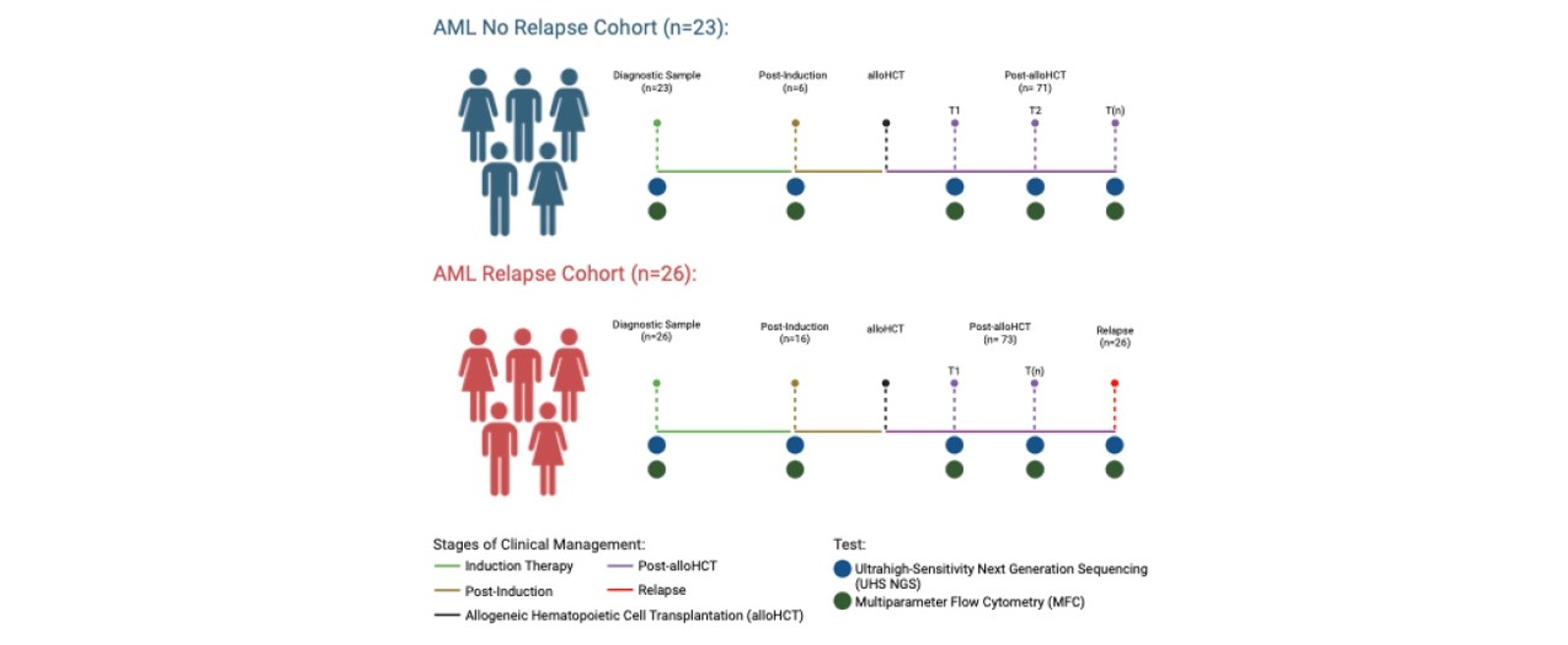
Figure 1: Study Design; cohort of samples were collected and analysed retrospectively at RPCCC.
Libraries were generated using Oxford Gene Technology’s (OGT) Ultra low MRD NGS Complete Workflow Solution (Figure 2, left panel) together with the SureSeq™ Myeloid MRD Plus NGS Panel (Figure 2, right panel). Sequencing was conducted using 2 x 150 bp reads on an Illumina NextSeq High output® V2 300.
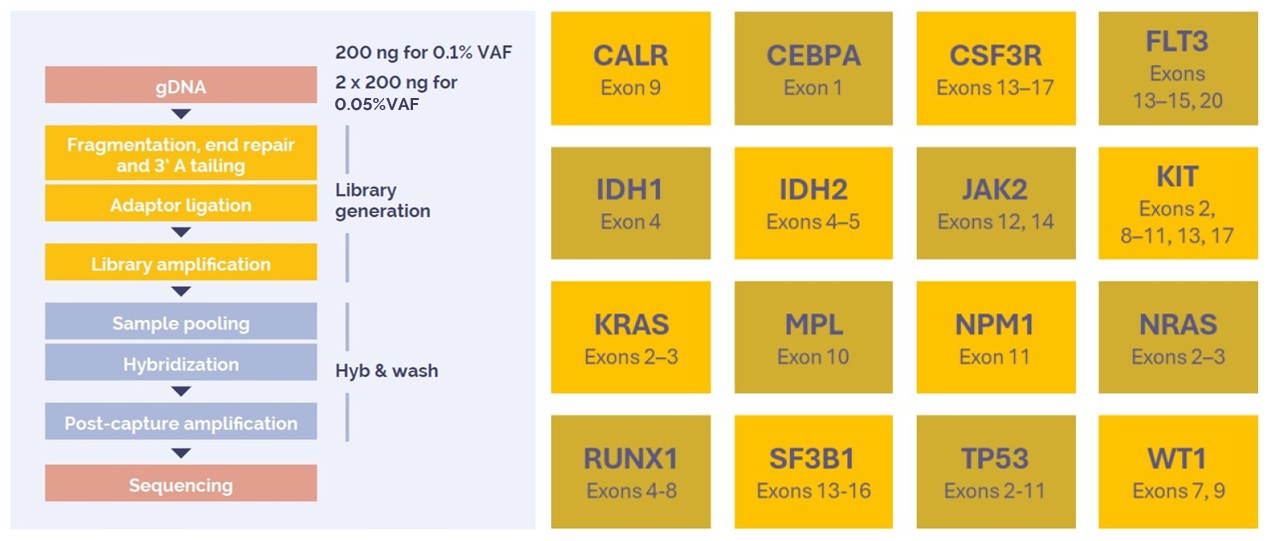
Figure 2: Sequencing Method (left); SureSeq Myeloid MRD Plus Panel targets (right).
The bioinformatics analysis was performed using Interpret NGS Analysis Software v. 4.0.128 (OGT) with a dedicated MRD hotspot monitoring protocol. The de-multiplexed reads were trimmed and aligned to the genome reference GRCh38 which was followed by base-error correction using UMI processing where singleton families were excluded from further analysis. The variant allele frequencies of the SNV/Indel hotspot variants being monitored were subjected to a proprietary background-error modelling statistic to exclude false positives.
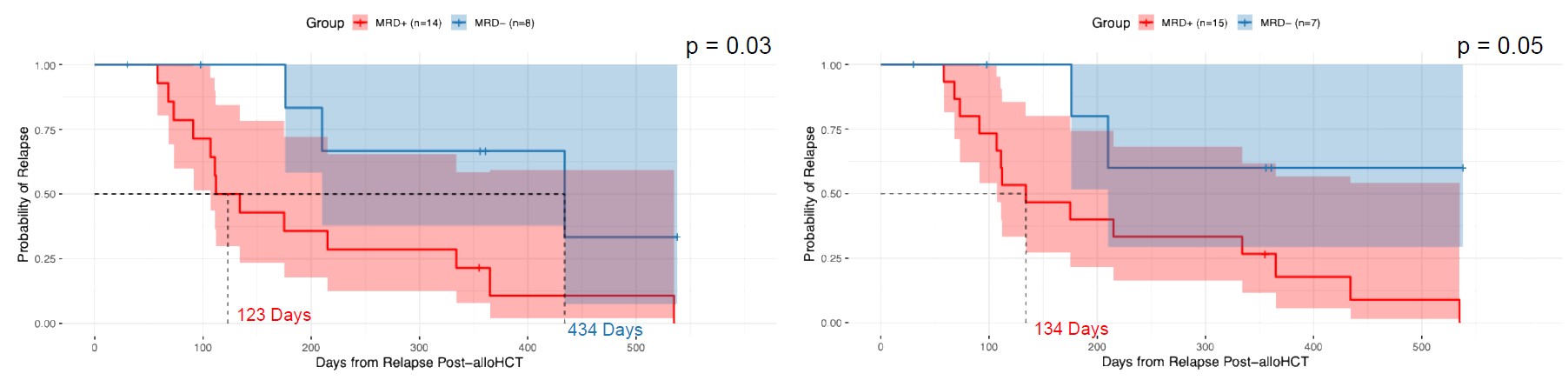
Figure 3. Kaplan-Meier analysis of relapse probability following alloHCT stratified by MRD status using a VAF threshold of >0.5% (left) or >0.1% (right) at the post-induction, pre-alloHCT time point. MRD+ patients (red) had at least one tumour-variant detected at the specified VAF thresholds, where MRD- patients (blue) had zero tumour-variants detected at the specified VAF thresholds.
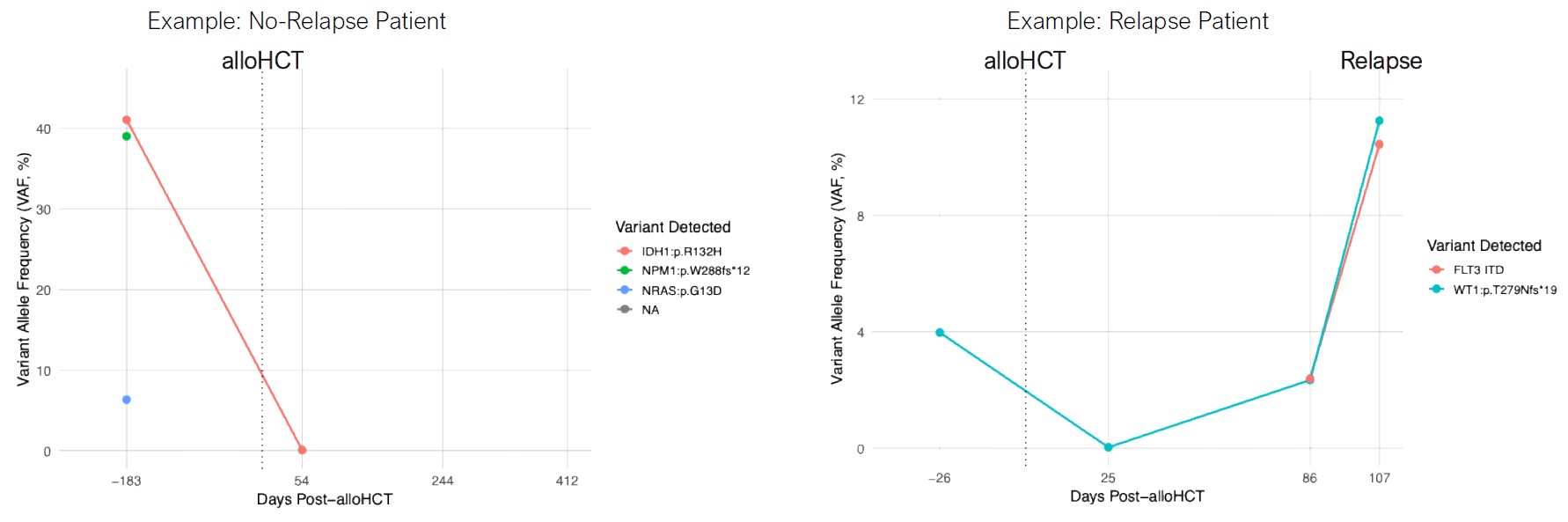
Figure 4. Longitudinal line plot example for one patient in no-relapse cohort (left) and relapse cohort (right) illustrating dynamic changes in tumour-informed VAFs (%) leading up to final timepoint or clinical relapse, respectively.
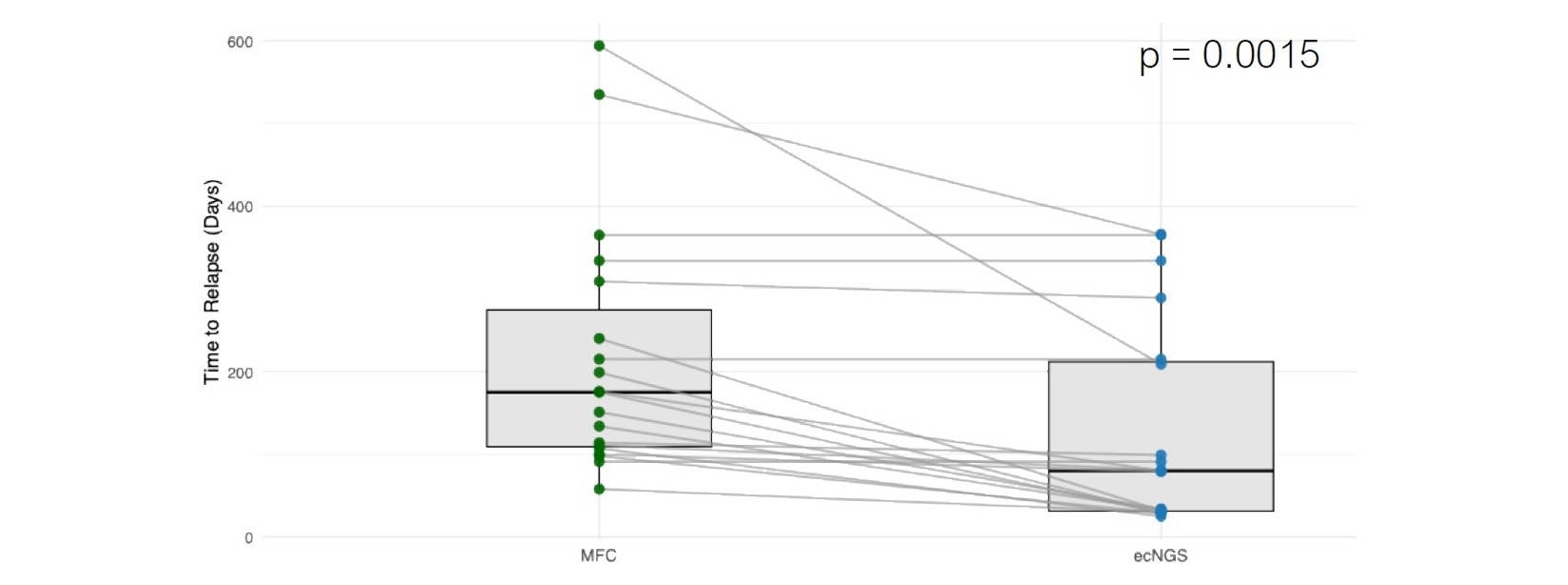
Figure 5a. Boxplot depicting paired differences in days to relapse detection comparing UHS NGS with MFC.
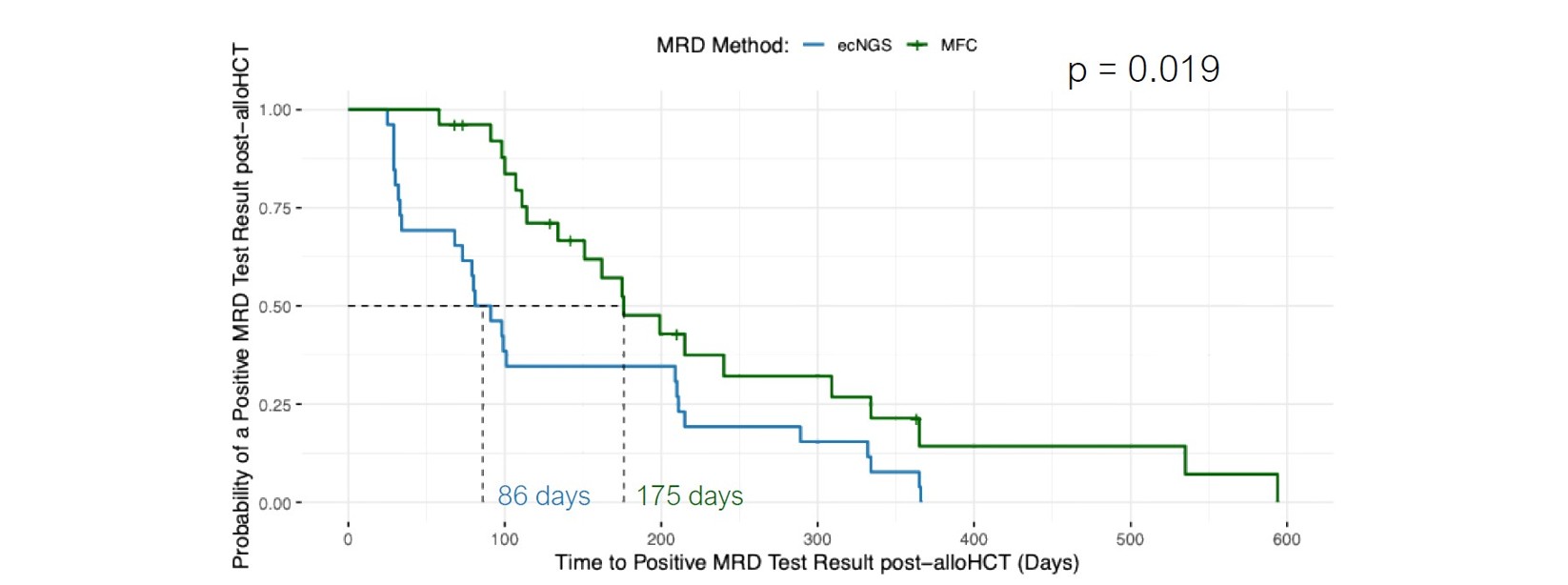
Figure 5b. Kaplan-Meier analysis comparing time to first positive MRD result post-alloHCT across UHS NGS and MFC, UHS NGS displayed a lead time advantage of 89 days compared to MFC.
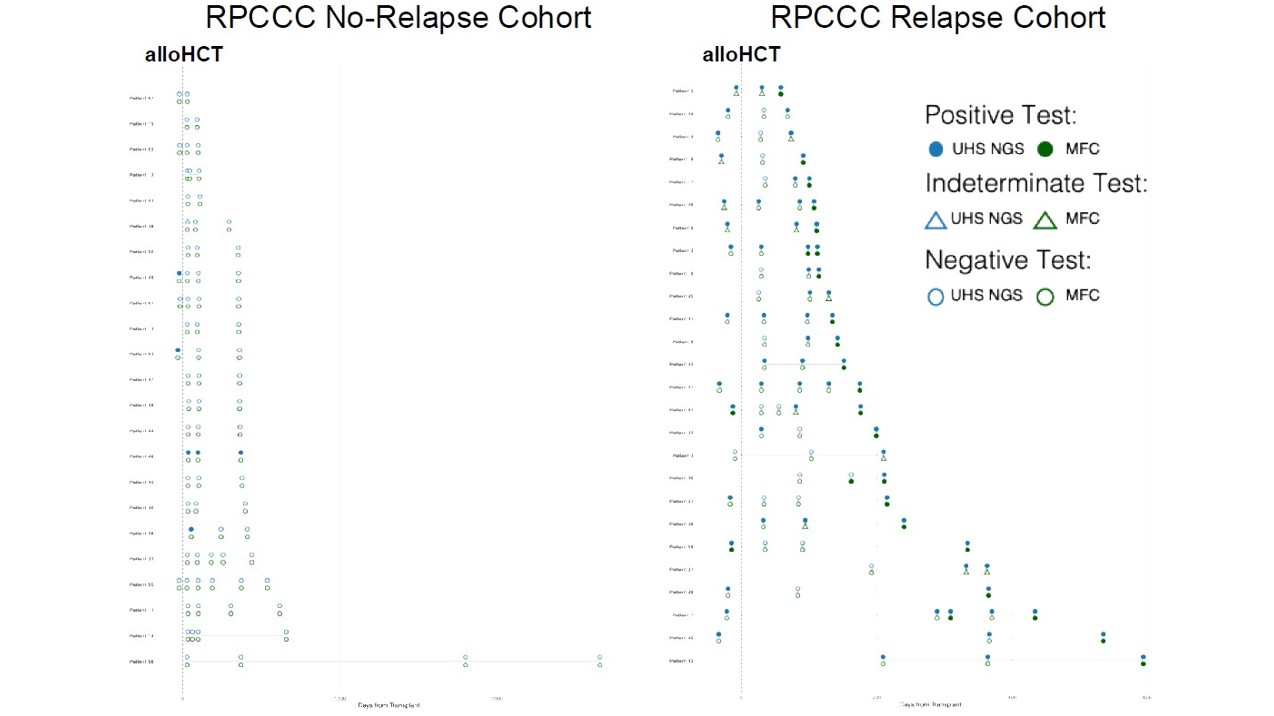
Figure 6a. Swimmer plots summarizing longitudinal MRD results obtained by UHS NGS (blue) and MFC (green) for the no-relapse cohort (left) and relapse cohort (right).
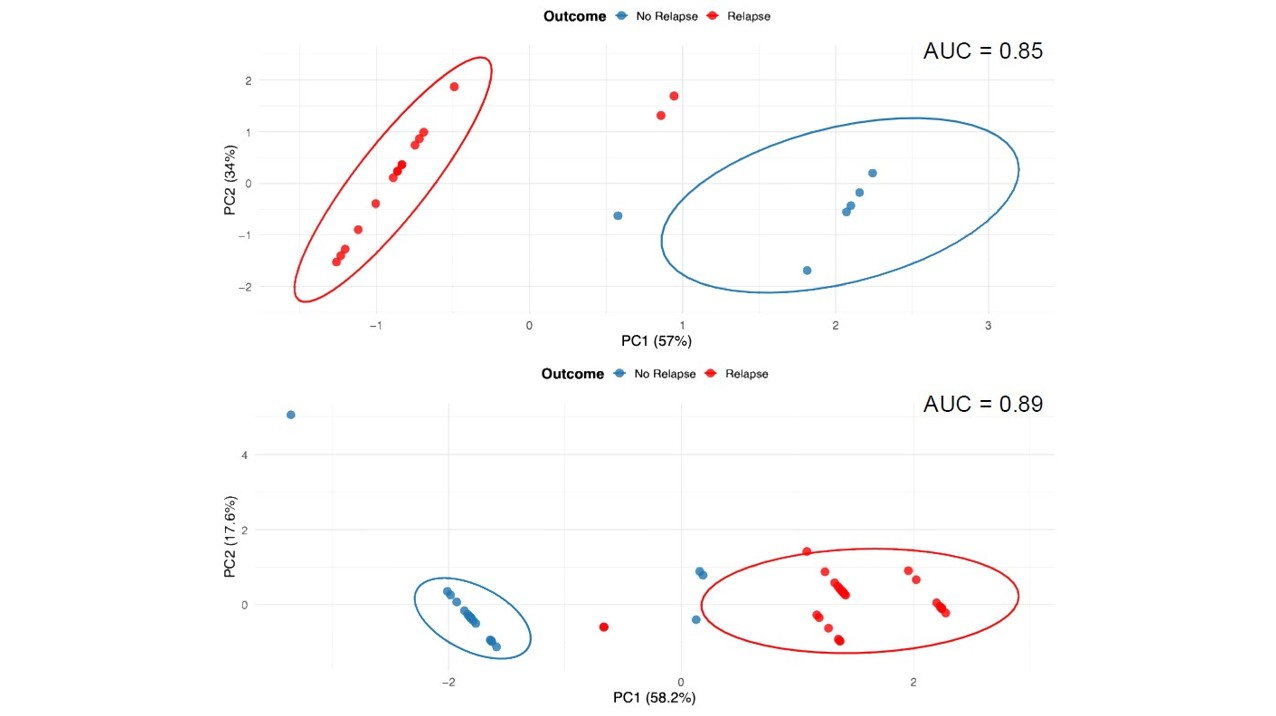
Figure 6b. The top panel shows a predictive model for relapse in patients with at least one tumour-informed variant with a VAF >0.1% post-induction, pre-alloHCT. The bottom panel shows a predictive model for relapse defined by either ≥1 tumour-informed variant with VAF >0.1% post-induction, pre-alloHCT, or detection of ≥1 tumour-informed variant in any post-alloHCT bone marrow sample.
SureSeq: For Research Use Only; Not for Diagnostic Procedures.
Call +44 (0)1865 856800 Email contact@ogt.com
Send us a message and we will get back to you
 Visit USA site
 Visit Canada site