
S. Glenn1, B. Burgher1, J. Luce1, V. Giamo1, M. Miles1, C. Morrison1, and P. Galbo1
1Department of Pathology, Roswell Park Comprehensive Cancer Center, Buffalo, New York
Measurable Residual Disease (MRD) has become an essential prognostic marker for assessing how patients with Acute Myeloid Leukaemia (AML) are responding to therapy.
Currently, limitations in MRD testing include the paucity of key mutations for monitoring, as well as a lack of highly sensitive comprehensive assays that can efficiently test many patients in a single workflow. There is an imminent need to increase the number of targets that can be identified and utilised for monitoring progression of disease pre- and post- allogenic haematopoietic cell transplantation (alloHCT) in AML, as many patients cannot be monitored due to lack of mutations currently tracked by MRD.
To this end, we have utilised an Ultra-High Sensitivity (UHS) next-generation sequencing (NGS)-based MRD assay to evaluate a retrospective cohort of serially collected bone marrow specimens (post-induction, pre- and post- alloHCT) from AML patients to assess the ability of this assay to better identify risk of relapse.
Utilising a sensitive and comprehensive NGS-based assay the two key aims of this study are, to first predict risk of recurrence when monitoring pre-alloHCT bone marrow specimens and second to monitor serially collected post-alloHCT bone marrow specimens for identifying recurrence earlier than current methodologies. Both aims focus on the identification of MRD with the future goal of using this assay to modify patient treatment and outcomes.
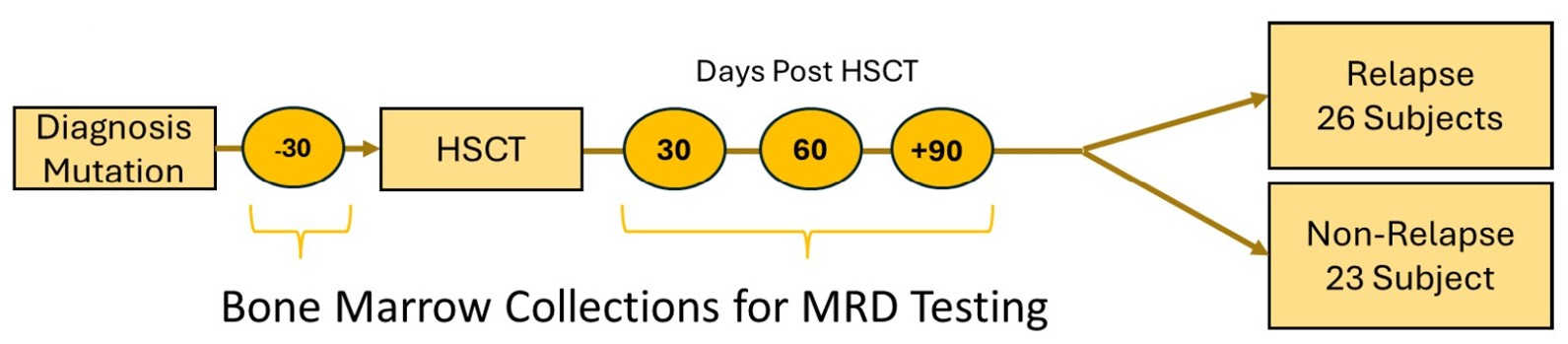
Bone marrow collections for MRD testing
Libraries were generated using OGT’s Ultra low MRD NGS Complete Workflow Solution together with the SureSeq™ Myeloid MRD Plus NGS Panel (Table 1). Sequencing was conducted using 2 x 150 bp reads on an Illumina NextSeq2000. Analysis was performed using OGT’s Interpret Software.
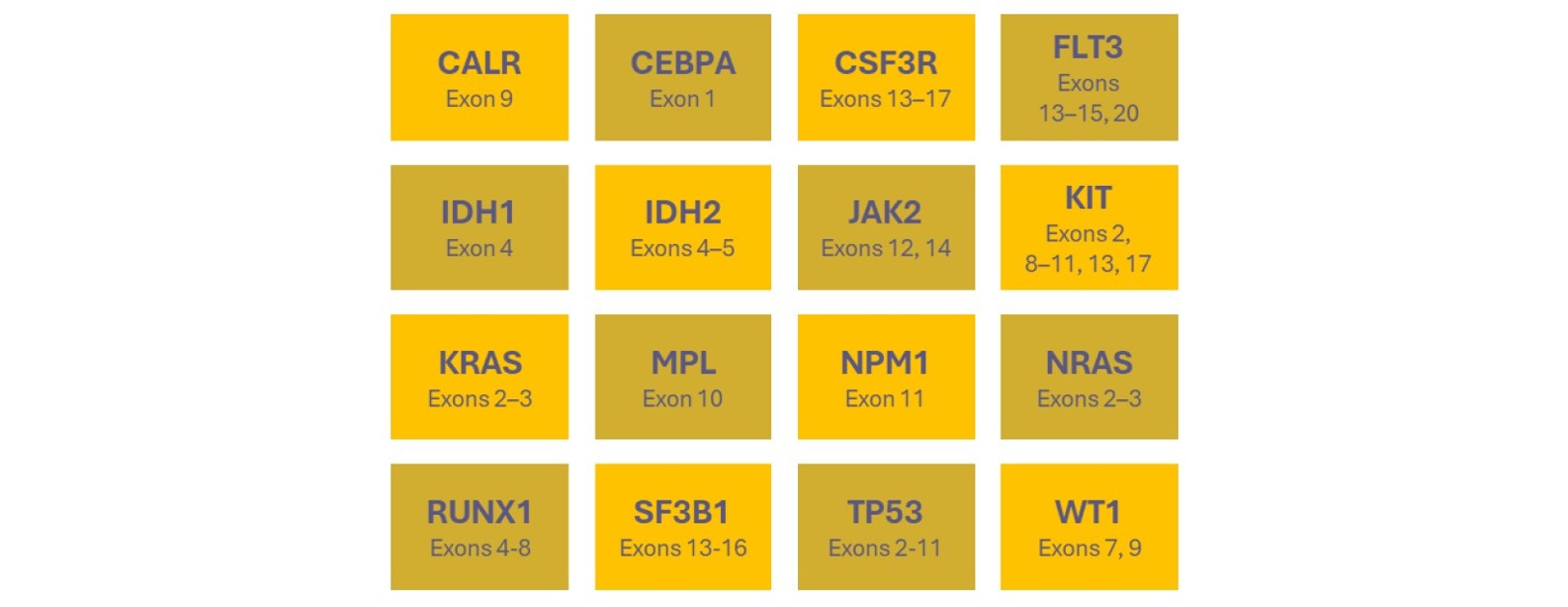
Table 1: The SureSeq Myeloid MRD Panel targets SNVs, indels and FLT3-ITDs in 16 genes key AML-associated biomarkers
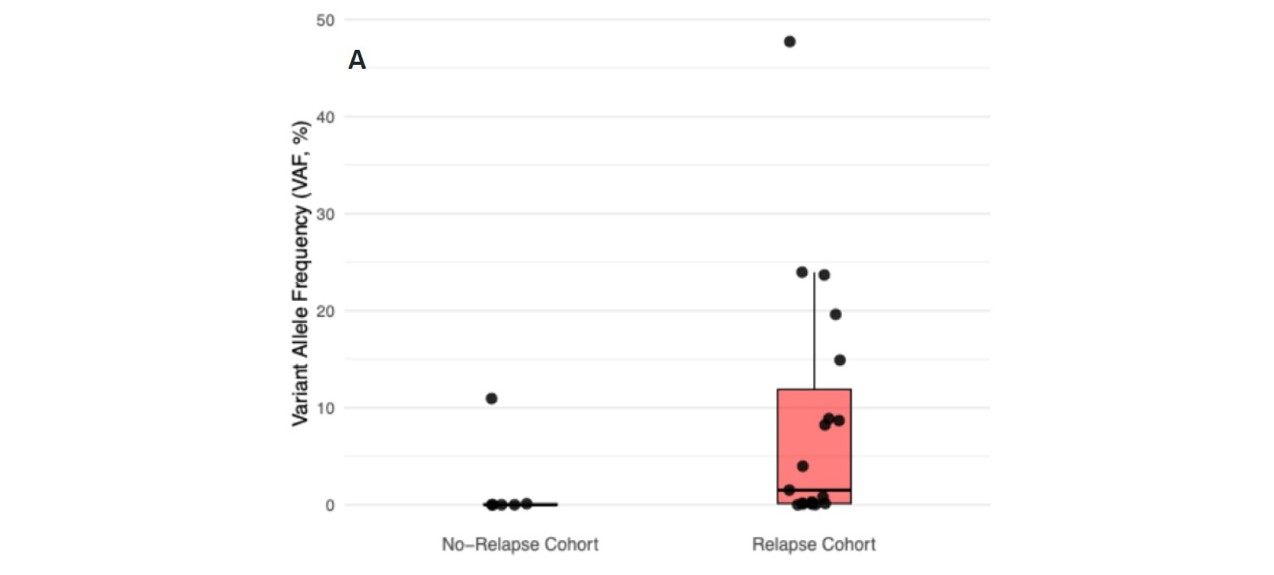
Figure 1a. Boxplot showing variant allele frequencies (VAFs, %) detected in bone marrow specimens from the no-relapse and relapse cohorts at the post-induction, pre–alloHCT time point (Mann–Whitney test, p = 0.013).
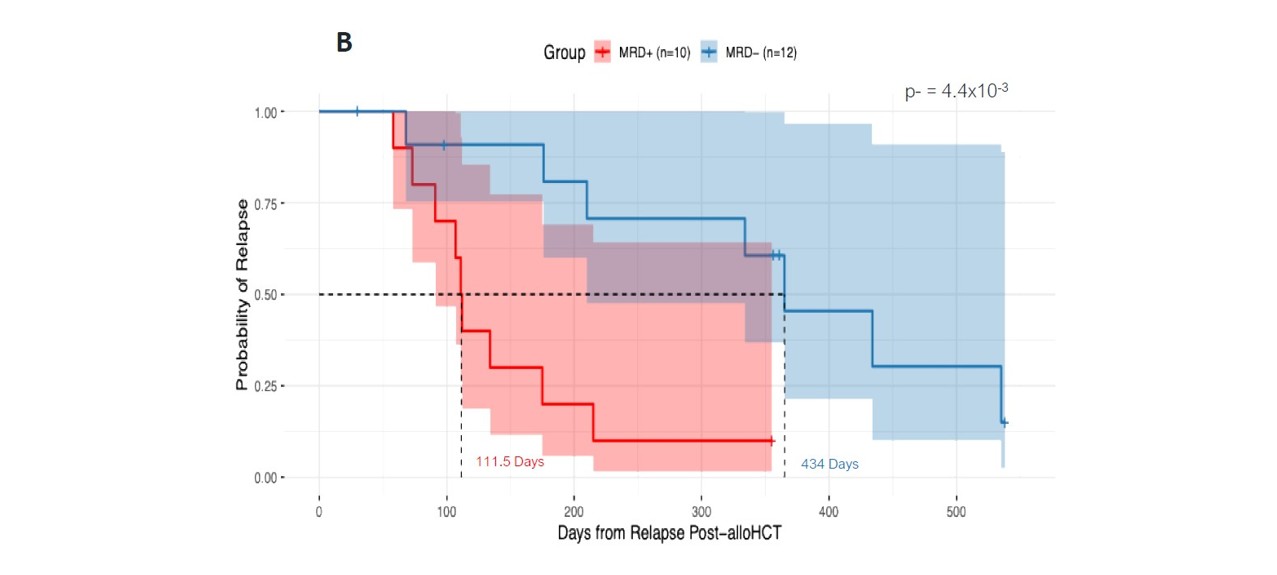
Figure 1b. Kaplan–Meier analysis of relapse probability following alloHCT stratified by MRD status using a VAF threshold of >1.0% at the post-induction, pre–alloHCT time point. MRD-positive (MRD+) patients had at least one tumour-informed variant detected with VAF >1.0% (n = 10), whereas MRD-negative (MRD−) patients had no variants detected above this threshold (n = 12) (log-rank p = 0.0044).
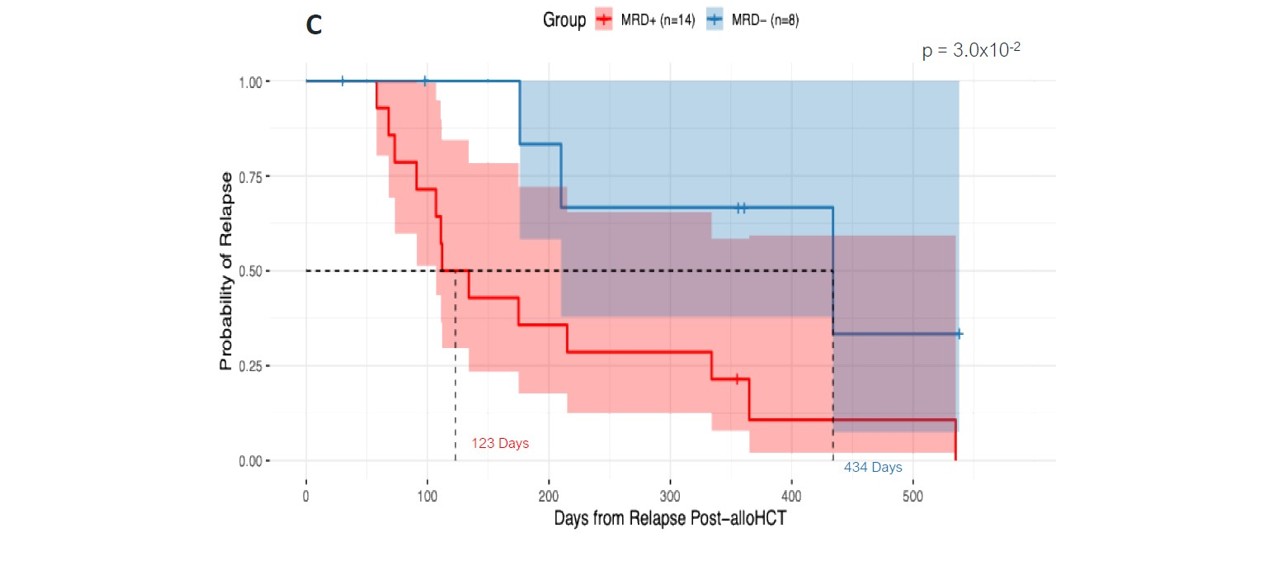
Figure 1c. Kaplan–Meier analysis of relapse probability following alloHCT stratified by MRD status using a VAF threshold of >0.5% at the post-induction, pre–alloHCT time point. MRD+ patients had at least one tumour-informed variant detected with VAF >0.5% (n = 14), while MRD−patients had no variants detected above this threshold (n = 8) (log-rank p = 0.030).
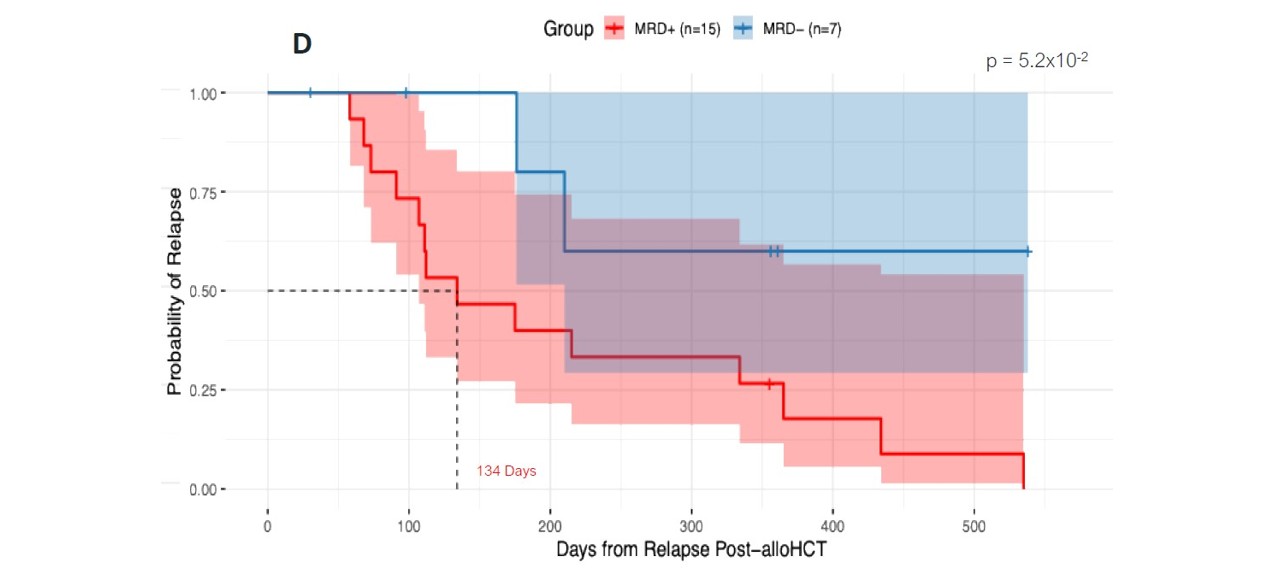
Figure 1d. Kaplan–Meier analysis of relapse probability following alloHCT stratified by MRD status using a VAF threshold of >0.1% at the post-induction, pre–alloHCT time point. MRD+ patients had at least one tumour-informed variant detected with VAF >0.1% (n = 15), whereas MRD− patients had no variants detected above this threshold (n = 7) (log-rank p = 0.052).
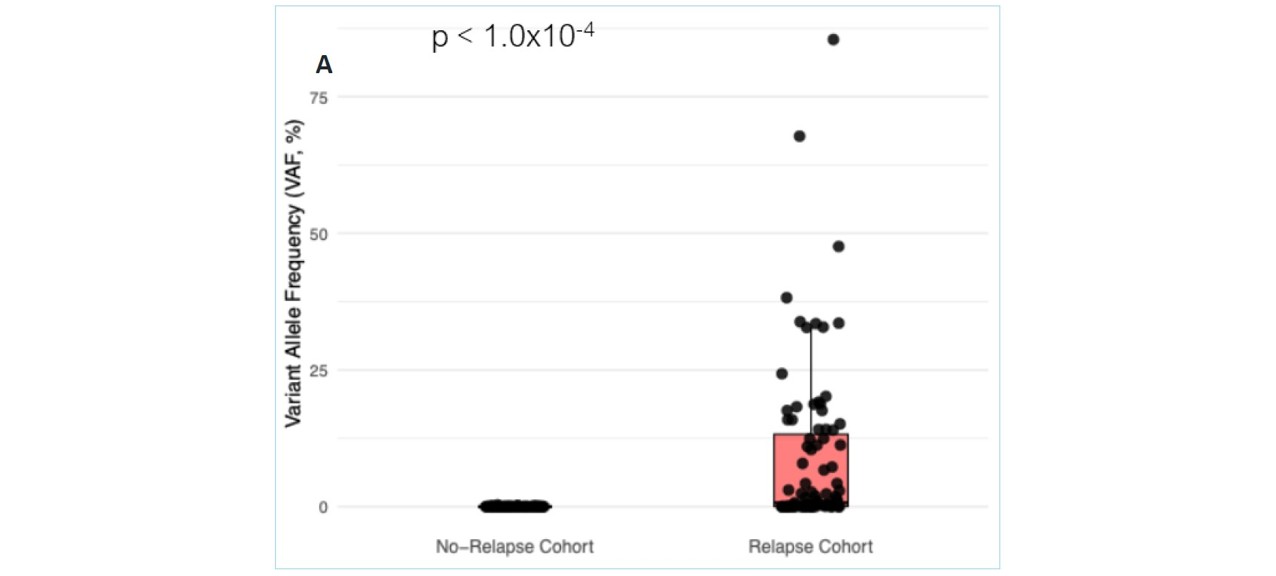
Figure 2a. Boxplot showing variant allele frequencies (VAFs, %) detected in bone marrow specimens from the no-relapse and relapse cohorts across all post–alloHCT time points (Mann–Whitney test, p < 1.0 × 10⁻⁴).
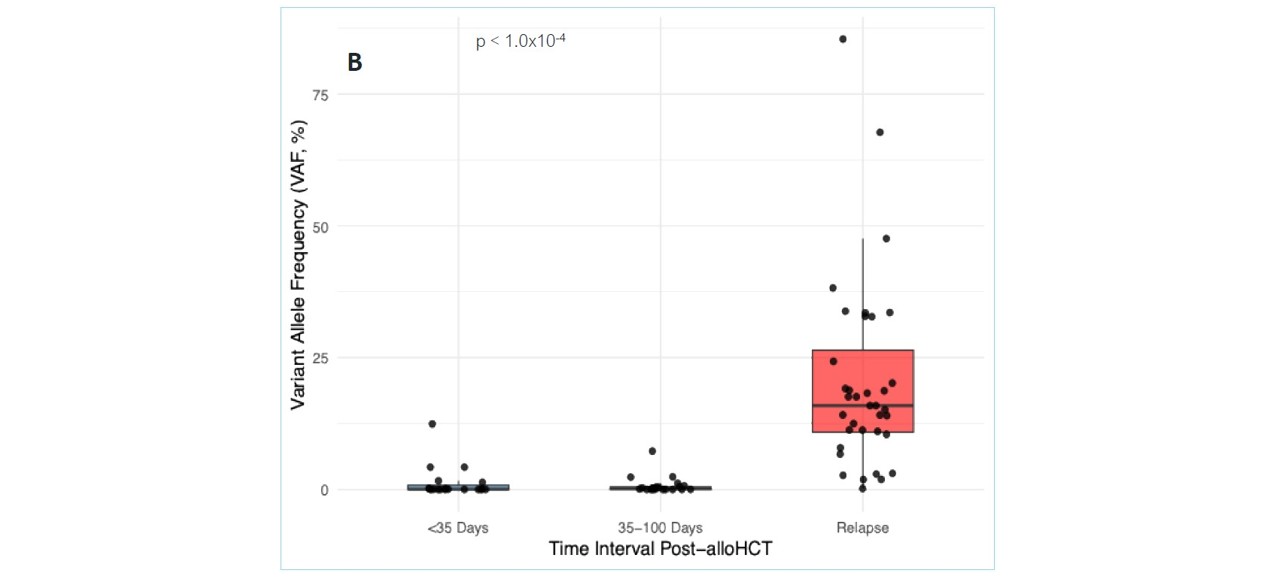
Figure 2b. Boxplot showing tumor-informed VAFs (%) detected in bone marrow specimens from the relapse cohort across specified post–alloHCT time points (one-way ANOVA, p < 1.0 × 10⁻⁴).
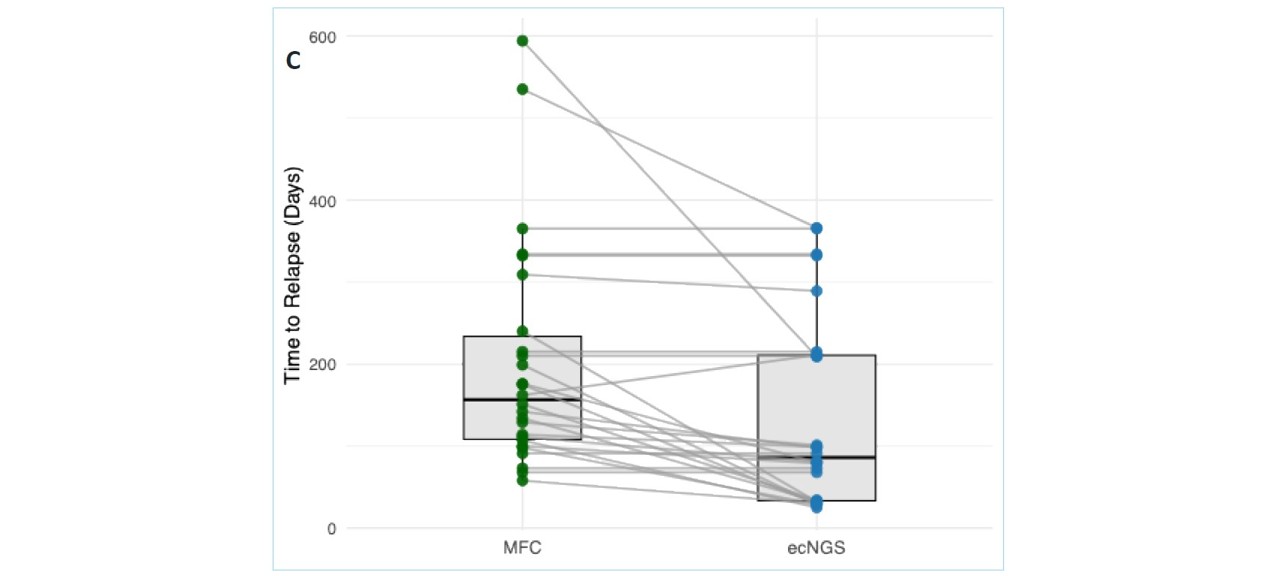
Figure 2c. Boxplot depicting paired differences in days to relapse detection comparing UHS NGS with multiparameter flow cytometry (MFC) at the individual patient level (paired t-test, p = 1.5 × 10⁻3).
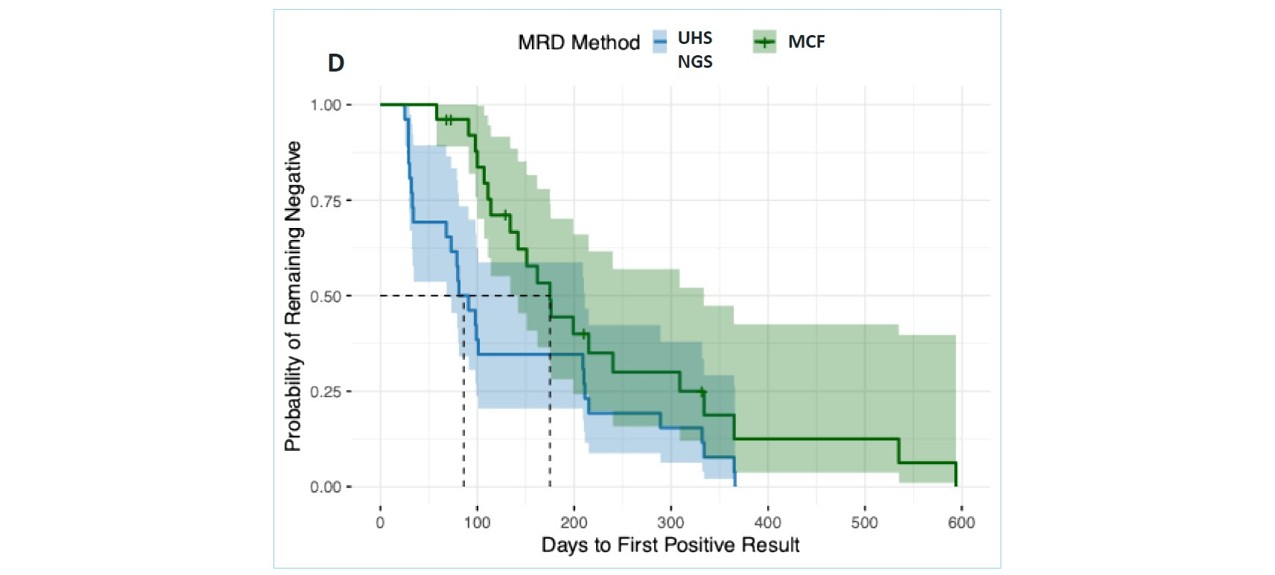
Figure 2d. Kaplan–Meier analysis comparing time to first positive MRD result post–allo-HCT across UHS NGS and MFC. Median time to MRD positivity was 86 days for UHS NGS and 175 days for MFC (log-rank p = 1.9 × 10⁻²).
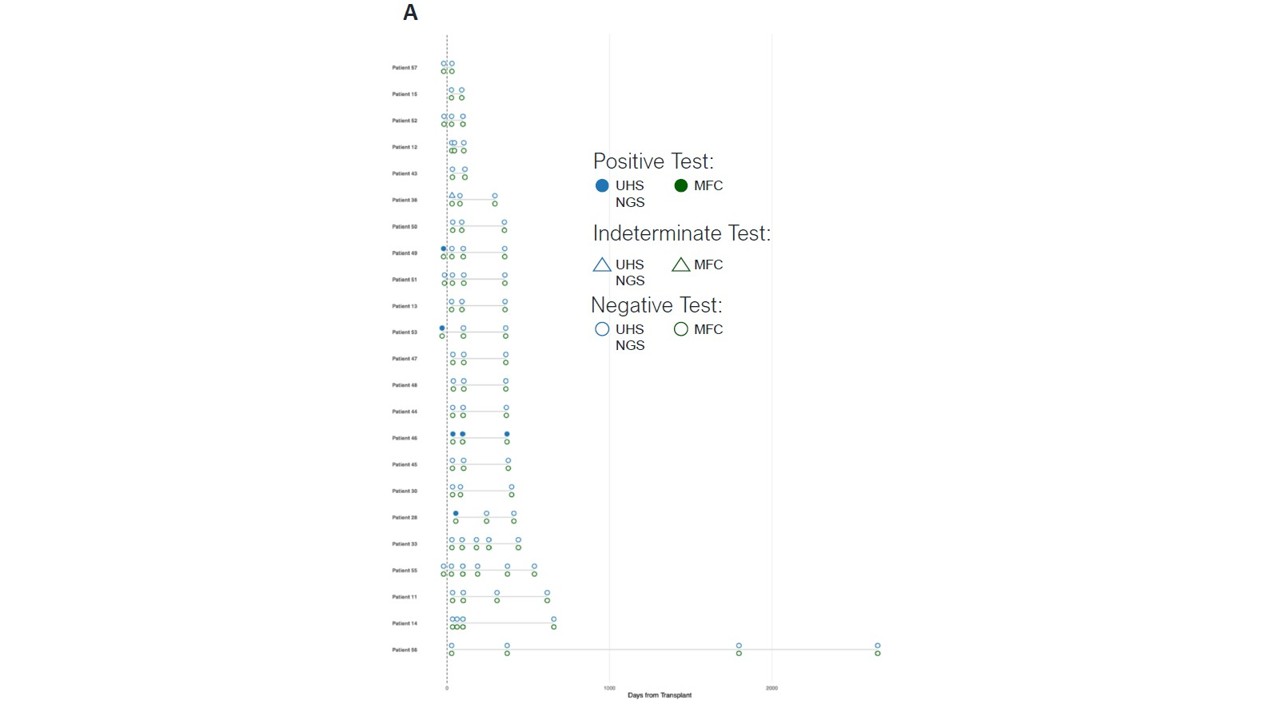
Figure 3a. Swimmer plot for the no-relapse cohort summarizing longitudinal MRD results obtained by ultra high sensitivity next-generation sequencing (UHS NGS; blue) and multiparameter flow cytometry (MFC; dark green) at post-induction, pre–alloHCT, and post–alloHCT time points. Filled circles indicate positive MRD results, open triangles indicate indeterminate results, and open circles indicate negative results.
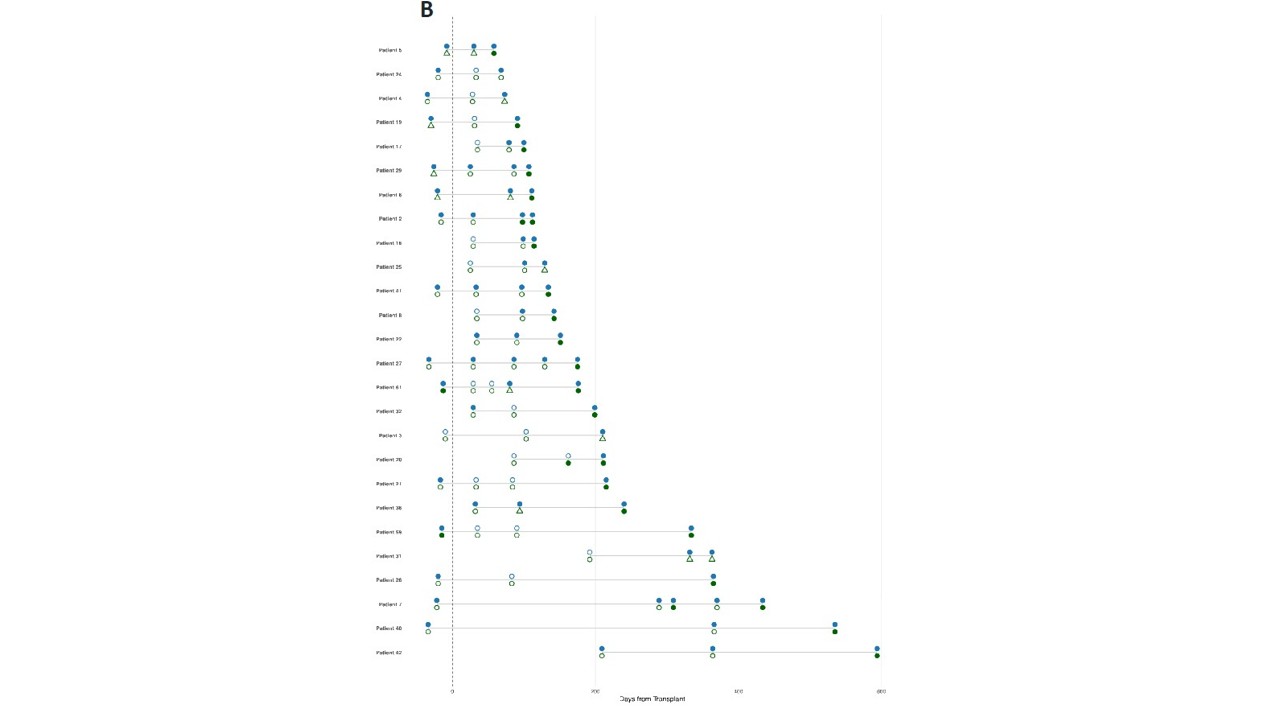
Figure 3b. Swimmer plot for the relapse cohort summarizing longitudinal MRD results obtained by UHS NGS (blue) and MFC (dark green) at post-induction, pre–alloHCT, and post–alloHCT time points. Symbol definitions are identical to panel A.
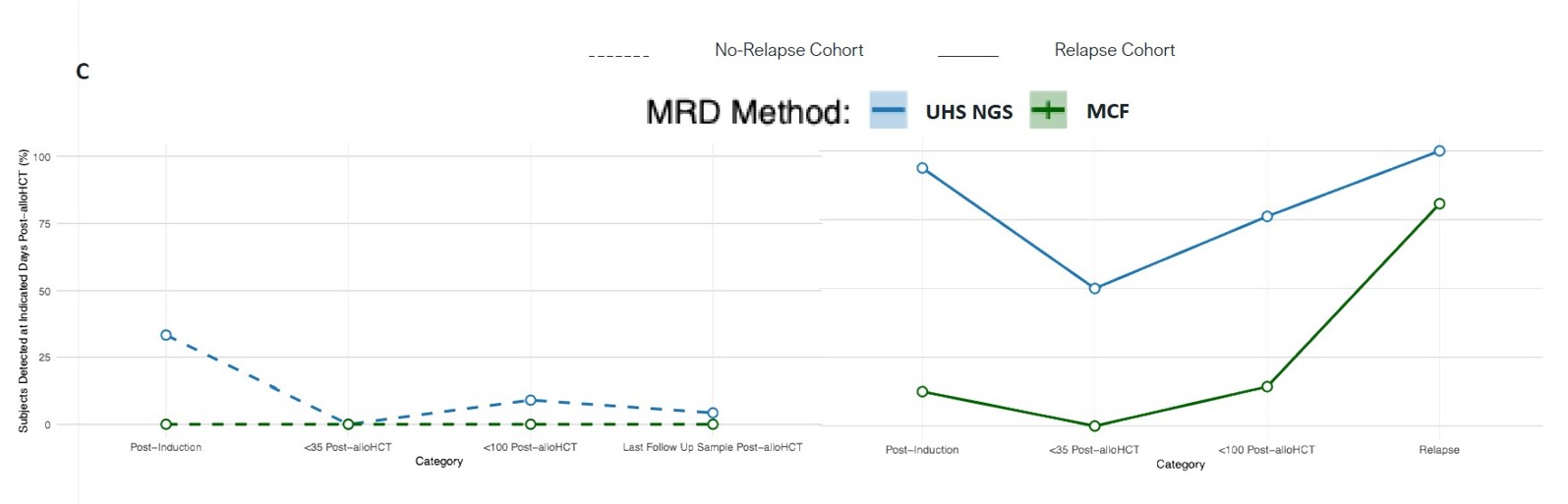
Figure 3c. Line plot summarizing the percentage of patients with detectable MRD by UHS NGS (blue) or MFC (dark green) at indicated time points for the no-relapse cohort (dashed lines, left panel) and relapse cohort (solid lines, right panel).
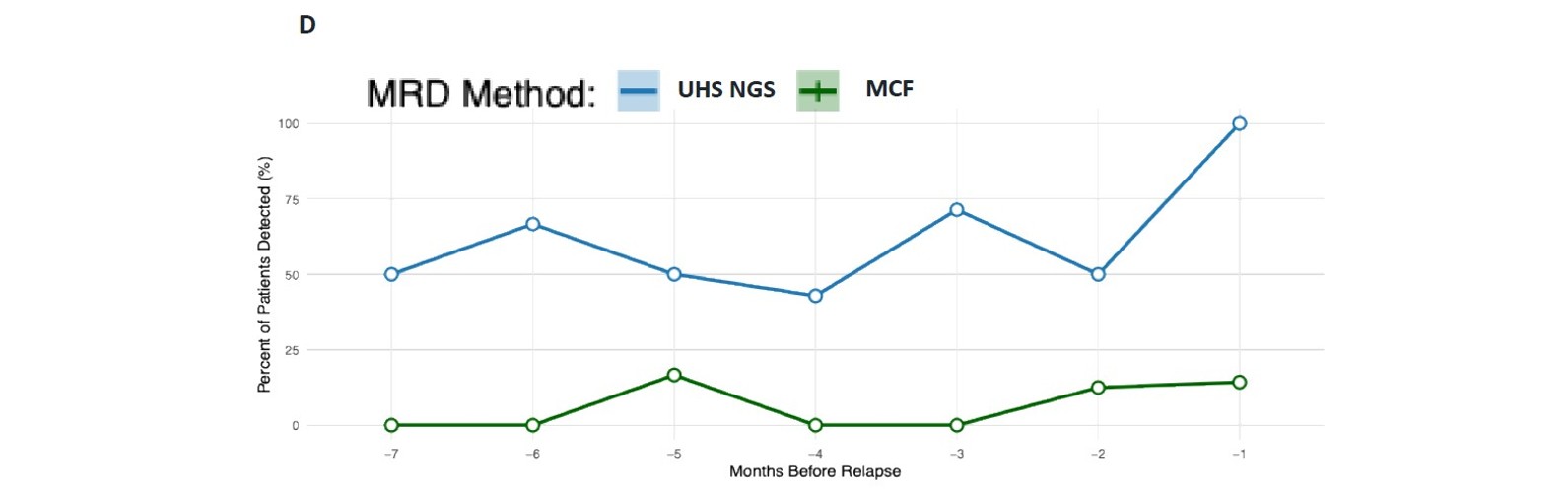
Figure 3d. Line plot showing the percentage of patients with positive MRD results by UHS NGS (blue) or MFC (dark green) at defined monthly intervals before clinical relapse.
SureSeq: For Research Use Only; Not for Diagnostic Procedures.
Call +44 (0)1865 856800 Email contact@ogt.com
Send us a message and we will get back to you
 Visit USA site
 Visit Canada site