
I. Farace-Girling1, B. Freeman1 and G. Speight1
1Oxford Gene Technology, R&D, Cambridge, United Kingdom
Implementation of In Vitro Diagnostic Regulation (IVDR) has increased expectations for lifecycle documentation, traceability, risk management integration and performance justification for in vitro diagnostic medical devices. While most legacy assays developed under IVDD are scientifically and analytically robust, supporting design and development documentation is not always fully structured or traceable within frameworks aligned to current IVDR expectations.
This work demonstrates part of the transition process for two established prenatal FISH probe kits:
Both kits are intended for the detection of chromosomal aneuploidies, including:
Transition to IVDR required reconstruction of design history, traceability, and linkage of performance evidence within an IVDR-compliant framework, without changing assay performance and intended purpose. This work highlights practical lessons from retrospective design remediation and traceability reconstruction from a Research and Development (R&D) perspective.
![<b>Figure 1:</b> Representative fluorescence microscopy images generated using CE-LPF 001. <b>[A]</b> Normal male sample demonstrating one chromosome X signal (green), one chromosome Y signal (orange), and two chromosomes 18 signals (aqua). <b>[B]</b> Normal sample demonstrating two chromosome 13 signals (green) and two chromosome 21 signals (orange). <b>[C]</b> Abnormal male sample demonstrating one chromosome X signal (green), one chromosome Y signal (orange), and trisomy 18 (three aqua signals), consistent with Edwards syndrome. <b>[D]</b> Abnormal sample demonstrating two chromosome 13 signals (green) and trisomy 21 (three orange signals), consistent with Down syndrome.](/media/r4vchrkl/figure-1-representative-fluorescence-microscopy-images-generated-using-ce-lpf-001.jpg)
Figure 1: Representative fluorescence microscopy images generated using CE-LPF 001. [A] Normal male sample demonstrating one chromosome X signal (green), one chromosome Y signal (orange), and two chromosomes 18 signals (aqua). [B] Normal sample demonstrating two chromosome 13 signals (green) and two chromosome 21 signals (orange). [C] Abnormal male sample demonstrating one chromosome X signal (green), one chromosome Y signal (orange), and trisomy 18 (three aqua signals), consistent with Edwards syndrome. [D] Abnormal sample demonstrating two chromosome 13 signals (green) and trisomy 21 (three orange signals), consistent with Down syndrome.
A methodical, stepwise approach to documentation enhancement was implemented (Fig 2). This began with a cross-functional IVDR gap assessment against Annex I, II, and XIII with focus on retrospective remediation of design and development documentation. The outcome of this assessment informed the scope and prioritisation of downstream documentation activities, enabling a structured and sequential redevelopment of the design history file in alignment with IVDR requirements (Fig. 2).
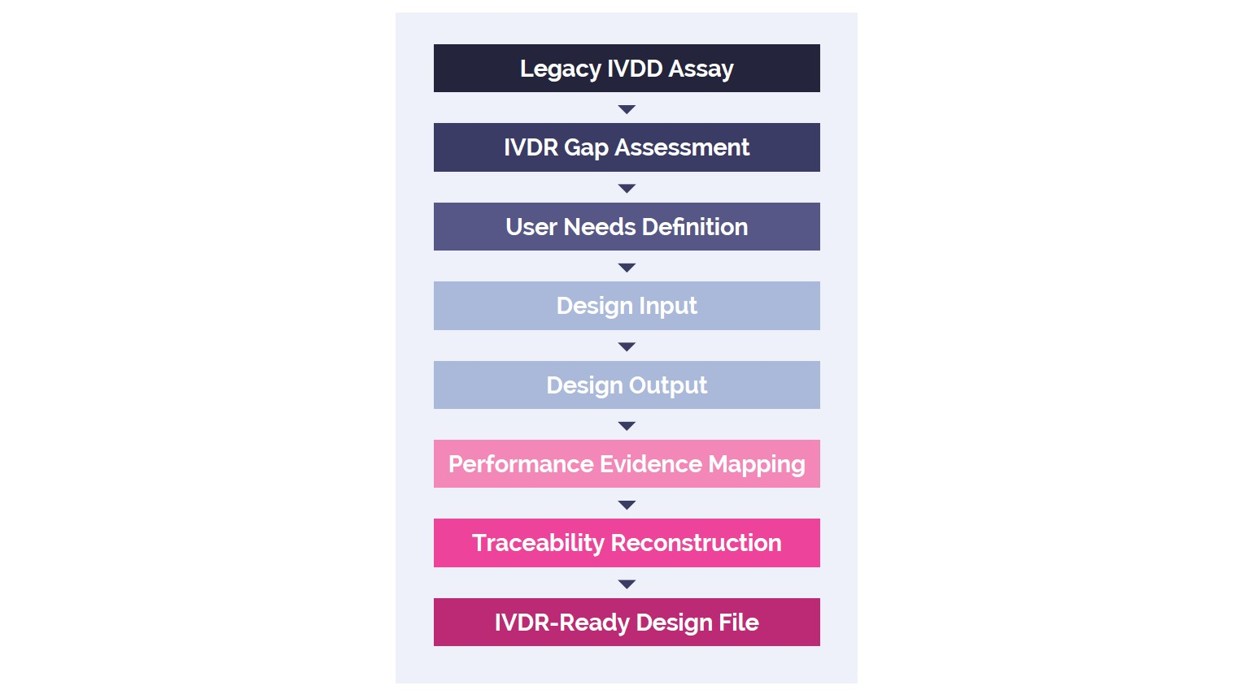
Figure 2. Retrospective IVDR design remediation workflow.
To meet IVDR traceability requirements, bidirectional traceability matrices were developed linking:
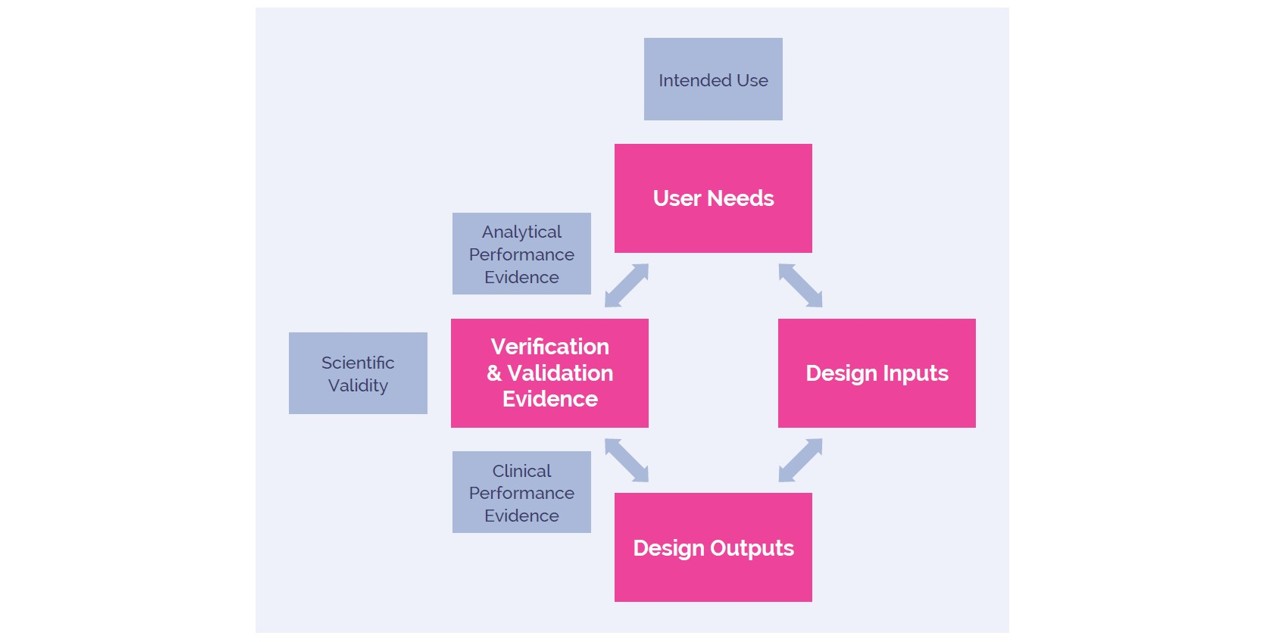
Figure 3. Bidirectional traceability framework for IVDR design remediation.
Complete IVDR-aligned design and development documentation packages were successfully generated for both prenatal FISH probe kits.
Retrospective remediation enabled reconstruction of traceability between user needs, design inputs, design outputs, verification and performance evidence.
Examples of reconstructed traceability mapping are shown in Table 1.
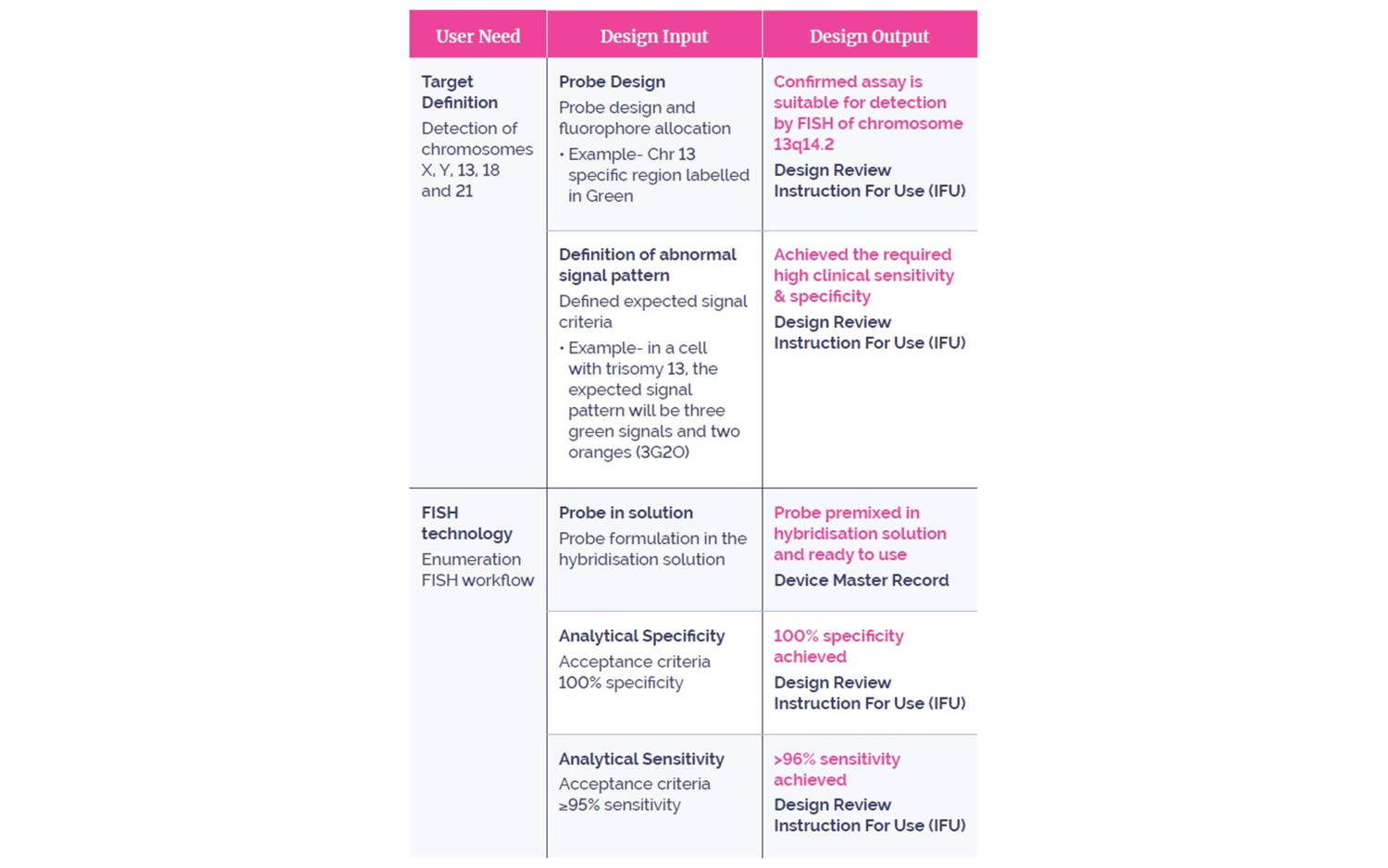
Table 1. Non-exhaustive traceability reconstruction examples for CE-LPA 001.
Strong assay performance shown by robust analytical and clinical evidence underpins the ease of transitioning a large number of probes, demonstrating the quality and reliability of products.
Retrospective reconstruction of design documentation translated existing technical knowledge into structured, traceable, and auditable evidence, providing a practical pathway for IVDR transition without modification to assay chemistry, workflow, intended use, or performance claims.
Building on our first to market IVDR FISH products, expansion using this established framework will allow for significant efficiencies, with larger and accelerated conversion to IVDR status.
CytoCell: CytoCell® IVDR Prenatal FISH Probe Kits: For in vitro diagnostic use. For laboratory professional use only. Not intended for use as a stand-alone diagnostic. Refer to each individual FISH probe kit’s Instructions for Use for their specific Intended Purpose, Indications, and Limitations. © Oxford Gene Technology IP Limited – 2026.
Call +44 (0)1865 856800 Email contact@ogt.com
Send us a message and we will get back to you
 Visit USA site
 Visit Canada site