


LPA 002 Prenatal X, Y and 18 Enumeration Probe
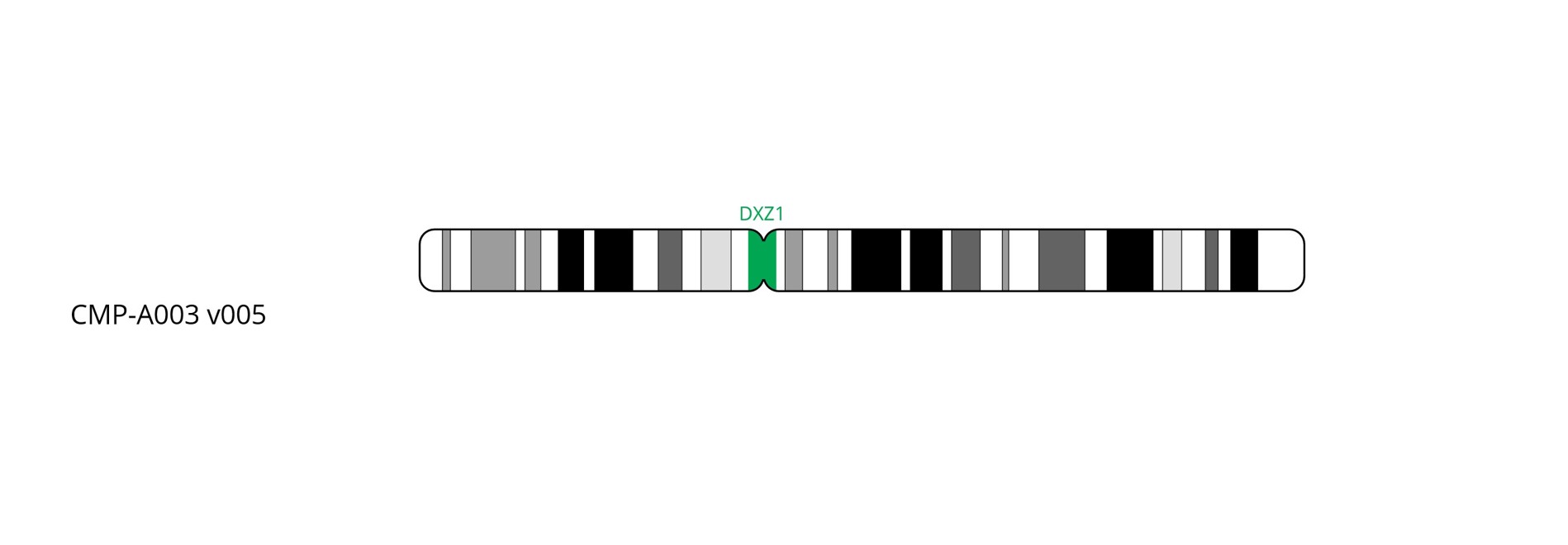
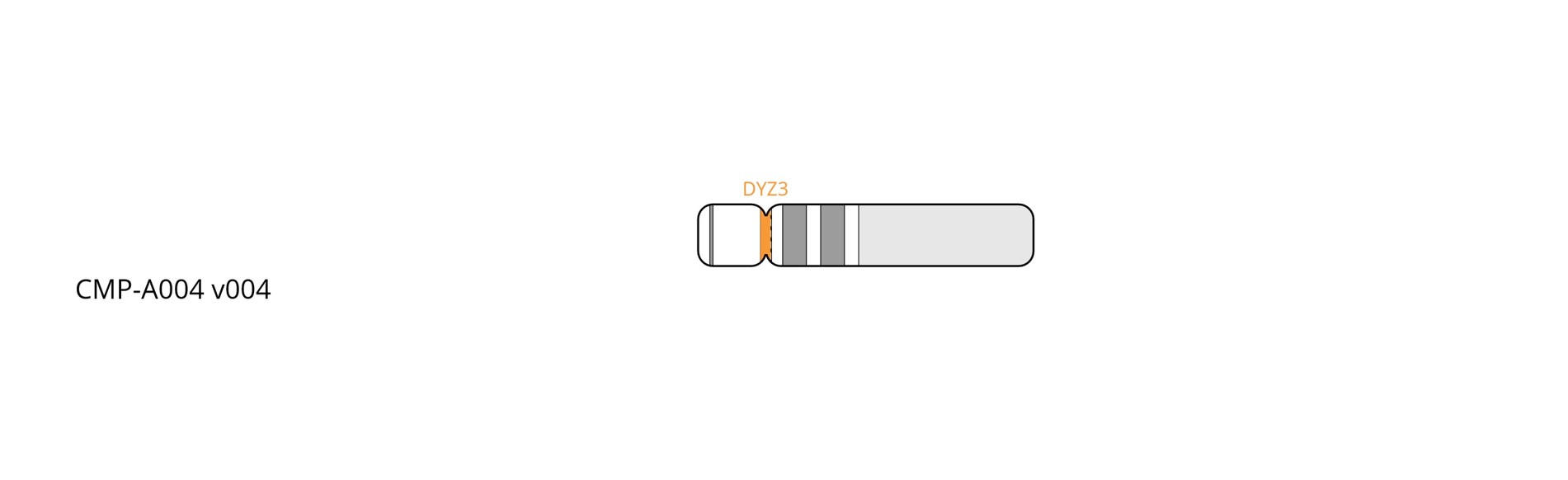
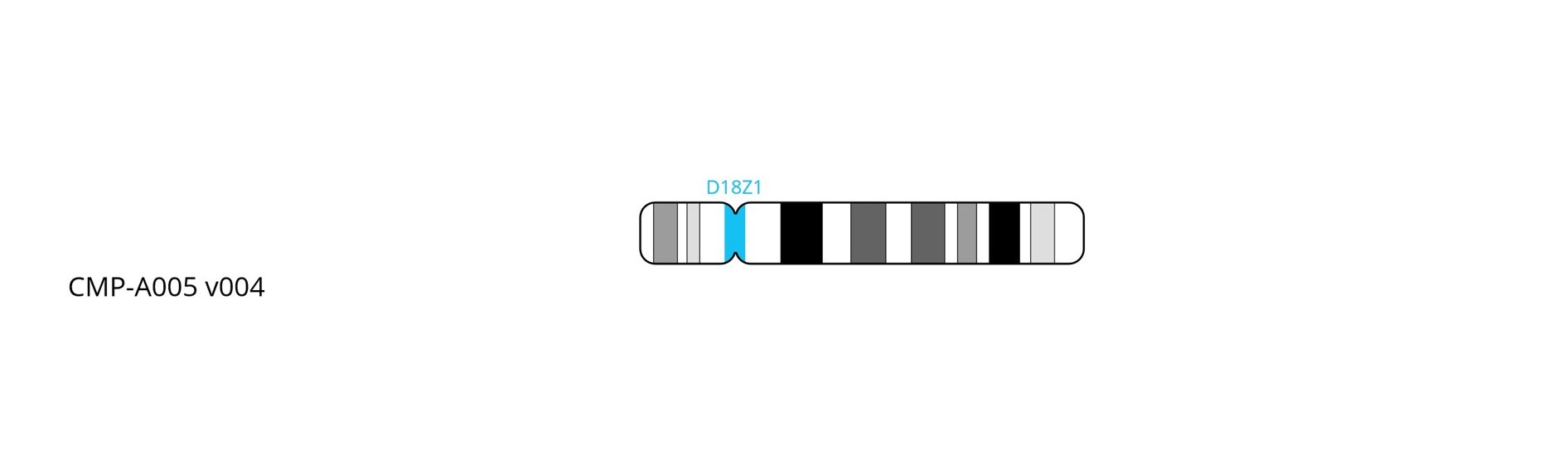
The probe component LPA 002 is a mixture of green, orange and aqua directly labelled fluorescent DNA probes:
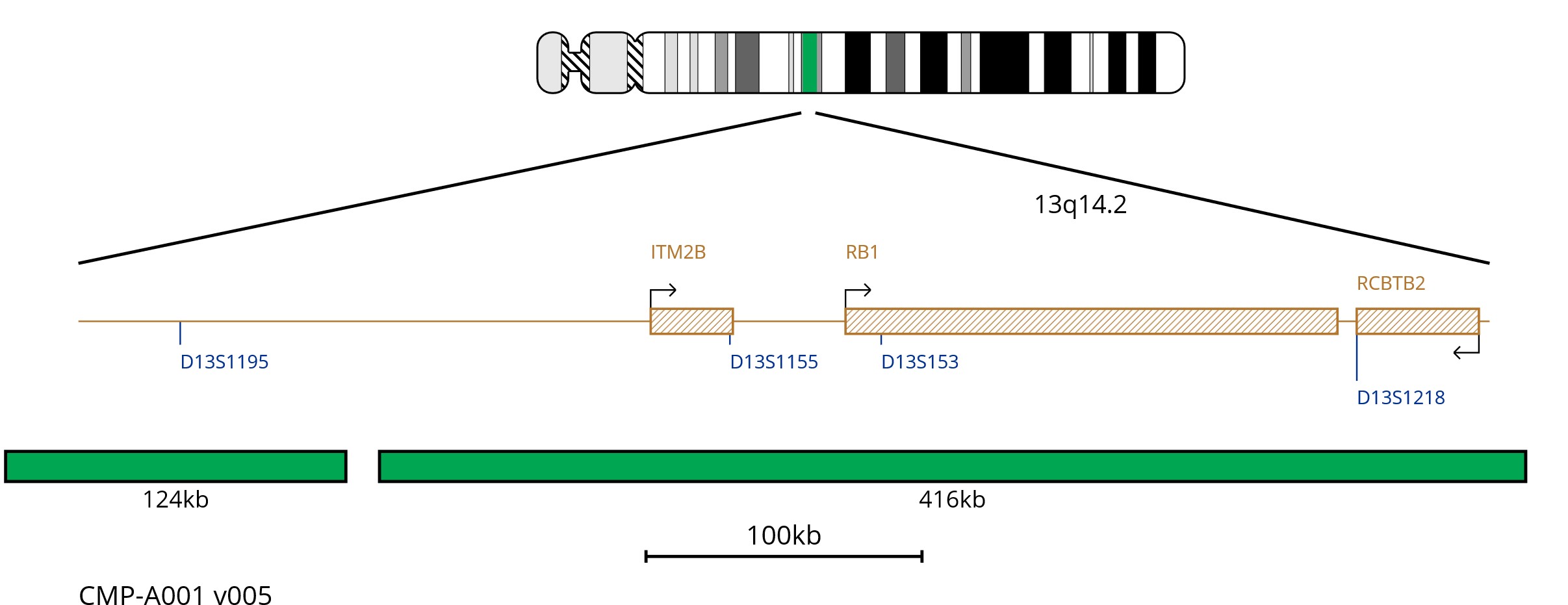
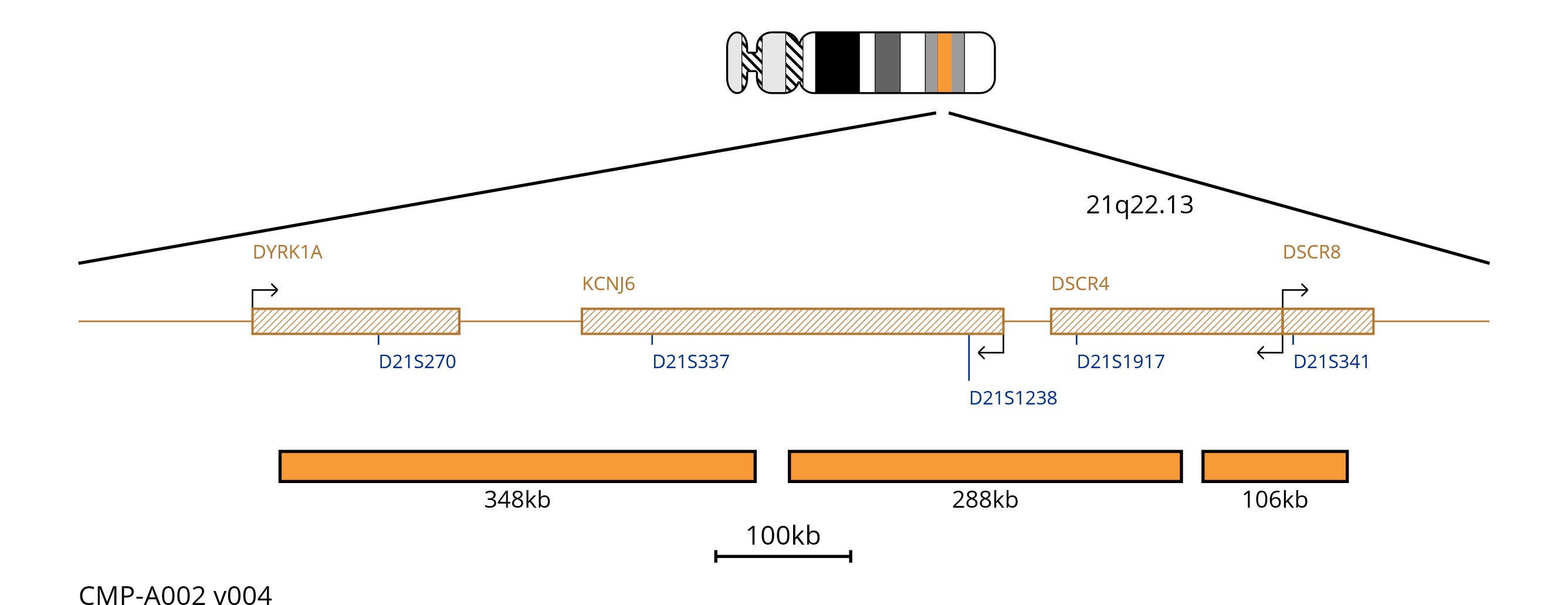
LPA 003 Prenatal 13 and 21 Enumeration Probe
The probe component LPA 003 is a mixture of green and orange directly labelled fluorescent DNA probes containing unique sequences:
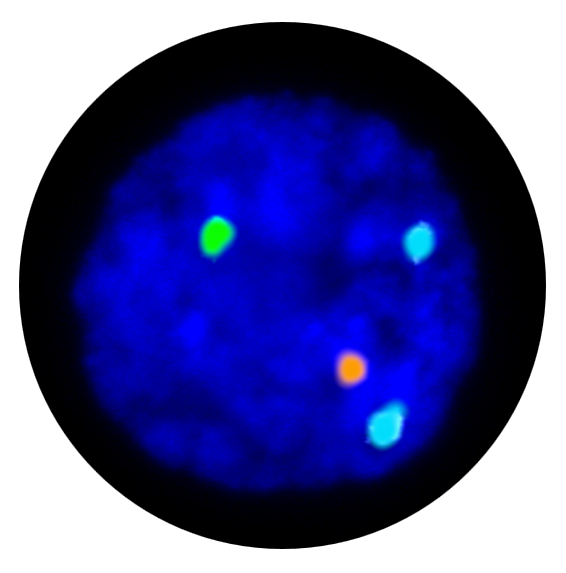
FISH interphase result for the X, Y and 18 centromere prenatal FISH probe.
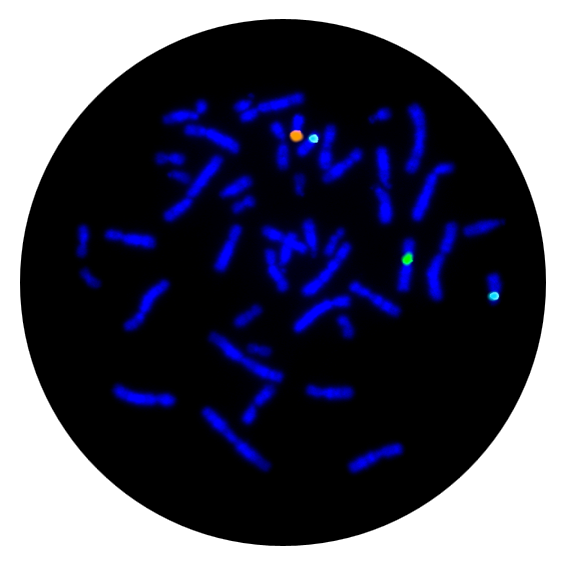
FISH metaphase result for the X, Y and 18 centromere prenatal FISH probe.
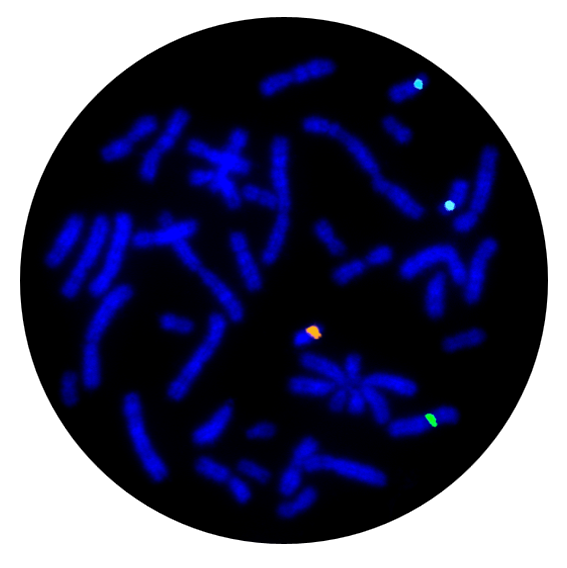
FISH metaphase result for the X, Y and 18 centromere prenatal FISH probe.
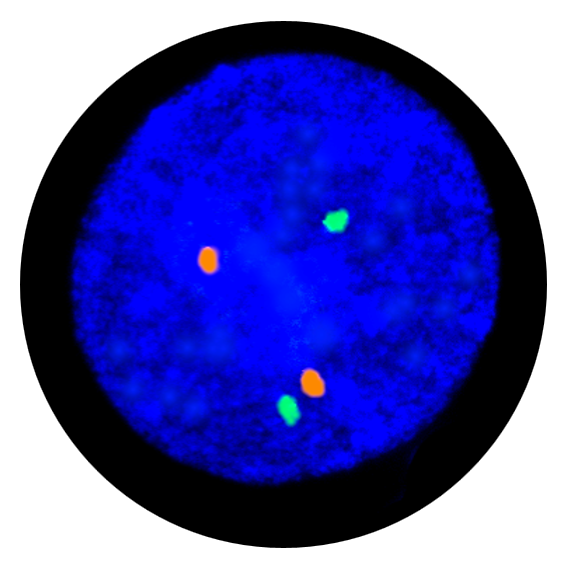
FISH interphase result for the 13q14.2 and 21q22.13 prenatal FISH probe.
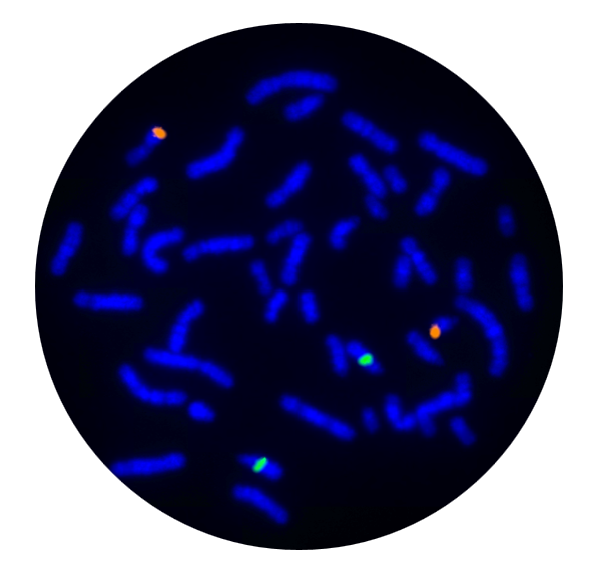
FISH metaphase result for the 13q14.2 and 21q22.13 prenatal FISH probe.
Molecular cytogenetic analysis plays a pivotal role in the prenatal evaluation of high-risk pregnancies, enabling the accurate identification of chromosomal abnormalities and the assessment of recurrence risk. The most common chromosomal abnormalities are aneuploidies, defined as an abnormal chromosome copy number, with affected individuals typically presenting with trisomy (three copies of a chromosome) or monosomy (single copy of a chromosome).1
Well-known, clinically significant aneuploidies include trisomies 13, 18, and 21, as well as monosomy X. These abnormalities represent major contributors to developmental disorders and adverse reproductive outcomes and are among the most common indications for invasive prenatal diagnosis.2
Trisomy 21 (Down syndrome), the most common viable autosomal trisomy, is characterised by cognitive impairment, congenital cardiac anomalies, and multisystem morbidity, and remains a key indication for prenatal genetic testing.3,4
Trisomy 13 (Patau syndrome) is characterised by brain malformations (holoprosencephaly), facial dysmorphism, ocular anomalies, postaxial polydactyly, visceral malformations (cardiopathy) and severe psychomotor retardation.5
Trisomy 18 (Edwards syndrome) is associated with severe congenital malformations, high perinatal mortality, and well-defined ultrasonographic phenotypes, underscoring the necessity for accurate prenatal detection and genetic confirmation.6,7
Monosomy X (Turner syndrome), also referred to as congenital ovarian hypoplasia syndrome, is the most common sex chromosomal abnormality in females and results from complete or partial absence of one X chromosome.8
Prenatal diagnosis is offered in high-risk pregnancies at increased risk of chromosomal abnormalities such as trisomy 13, 18, 21, and monosomy X. FISH is a validated molecular cytogenetic method for rapid detection and enumeration of chromosome copy number in interphase nuclei. FISH enables targeted detection of common aneuploidies and provides rapid results to support clinical decision-making and is widely used in modern aneuploidy diagnostics, particularly where prompt confirmation of chromosome copy number status is required.9,10,11
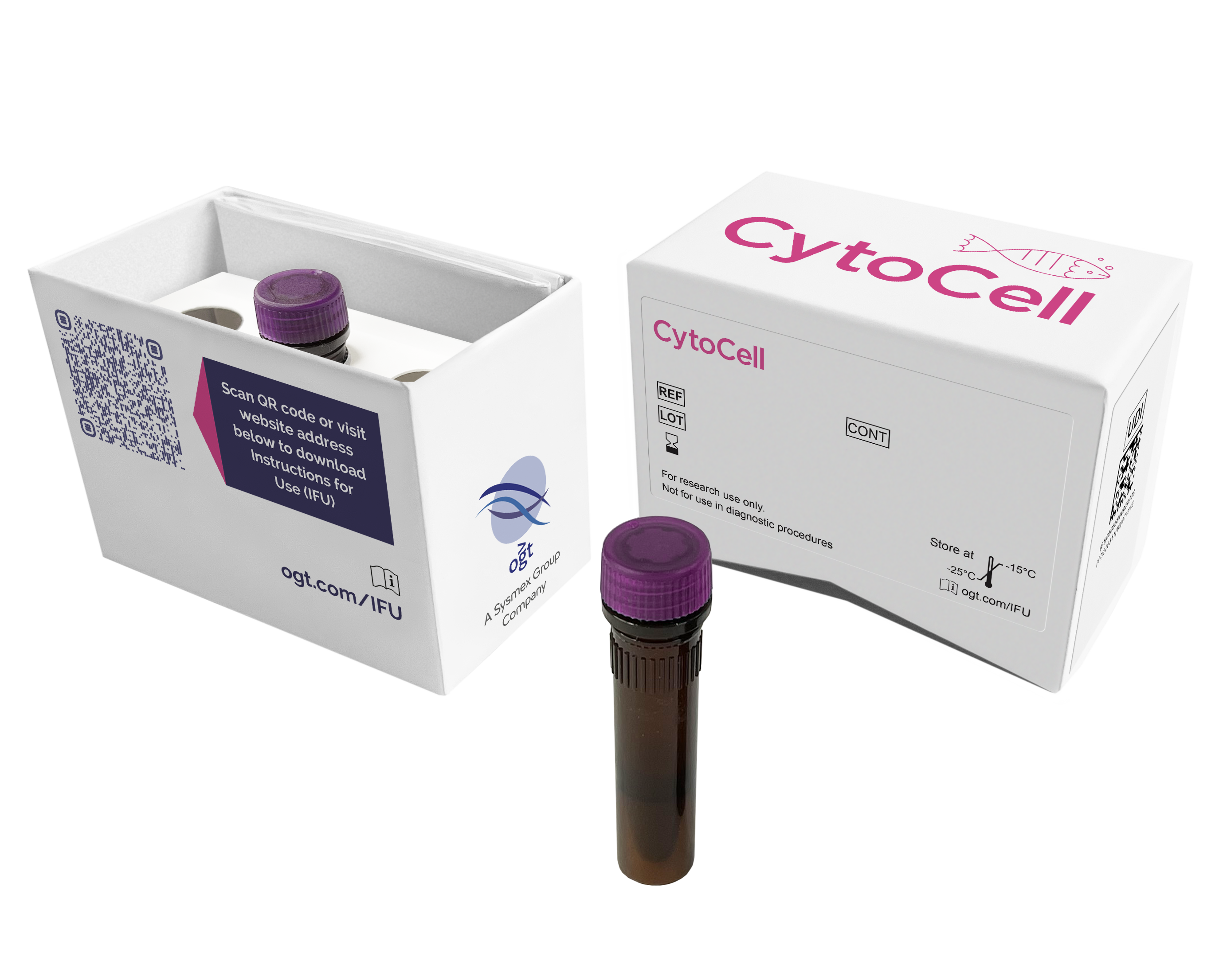
The CytoCell® Prenatal Enumeration Probe Kit is a qualitative, non-automated, fluorescence in situ hybridisation (FISH) test used to detect the chromosome Xp11.1-q11.1, Yp11.1-q11.1 and 18p11.1-q11.1 alpha centromeric regions, and the chromosome 13q14.2 and 21q22.1 regions in Carnoy’s solution (3:1 methanol/acetic acid) fixed cells derived from amniotic fluid samples, in enumerating chromosomes X, Y, 13, 18 and 21 in high risk pregnancies where Turner, Patau, Edwards or Down syndrome are suspected.
This device is designed as an adjunct to other clinical and laboratory tests in recognised diagnostic and clinical care pathways, such as ultrasound screening and biochemical testing, where knowledge of the copy number status of the chromosome Xp11.1-q11.1 and 18p11.1-q11.1 alpha centromeric regions, the chromosome 13q14.2 and 21q22.1 regions would be important for patient management.
This device is designed to detect chromosomal material which includes the centromeric regions covered by the green, orange and aqua clones in the Prenatal X, Y and 18 Enumeration Probe component, for chromosomes X, Y and 18 respectively. Genomic gains or losses outside these regions, or partial losses or gains of these regions may not be detected with this device.
This device is also designed to detect chromosomal material which includes the chromosome 13q14.2 and 21q22.1 regions covered by the green and orange clones in the Prenatal 13 and 21 Enumeration Probe component. Genomic gains or losses outside these regions, or partial losses or gains of these regions may not be detected with this product.
This device is not intended for: use as a stand-alone diagnostic, companion diagnostic, population-based screening, near-patient testing, or self-testing.
This device has not been validated for sample types, disease types, or purposes outside of those stated in the intended purpose.
This device has not been validated for use in detecting gains of chromosome X and/or Y.
This device is intended as an adjunct to other diagnostic laboratory tests and therapeutic action should not be initiated on the basis of the FISH result alone. Reporting and interpretation of FISH results should be performed by suitably qualified staff, consistent with professional standards of practice, and should take into consideration other relevant test results, clinical and diagnostic information. This device is intended for laboratory professional use only. Failure to adhere to the protocol may affect the performance and lead to false positive/negative results.
Find certificate of analysis documentation for our CytoCell FISH probes
Our lab has been using a wide range of CytoCell FISH probes for a number of years, and have been increasing this range all the time. The probes have clear bright signals and show good reproducibility. CytoCell provides fast delivery of catalogue probes, and are very responsive when we have any queries or problems with their products.

Bridget Manasse
Addenbrookes Hospital, Cambridge University Hosiptals NHS Foundation Trust, UK
In our hands, CytoCell FISH probes have proven to be of the highest quality with bright, easy to interpret signals, thus providing confidence in our results. OGT's customer support is outstanding, as their staff are extremely knowledgeable and truly care about their customers and their customers’ needs.

Jennie Thurston
Director of Cytogenetics, Carolinas Pathology Group, USA
I first came across CytoCell FISH probes in a previous lab I worked in and I was struck by the quality of the products. Since this time, I have been recommending and introducing CytoCell probes across all application areas — now they are the primary FISH probes used in our lab. They have an excellent range of products and their ready-to-use reagent format saves considerable time.
Elizabeth Benner
Medical Technologist, University of Arizona Health Network, USA
We have been working with CytoCell fish probes for two decades because of their excellent clarity and intensity regardless of the size of the probe. It is so clear and simple to detect.
Dr. Marina Djurisic
Head of Laboratory of Medical Genetics, Mother and Child Health Care Institute of Serbia “Dr Vukan Cupic”, Serbia
The quality and consistency of CytoCell’s probes means I can trust the results, and my clients get their results in a timely manner.

Dr. Theresa C. Brown
Director, Cytogenetics Laboratory, Hayward Genetics Center, Tulane University School of Medicine, USA
It was very important for us to have more consistent results with our probes — easy-to-read bright signals and a range of vial sizes, which is much more cost-effective.

Janet Cowan, PhD
Director of the Cytogenetics Laboratory, Tufts Medical Center, USA
Not only do CytoCell offer an extensive range of high-quality FISH probes, the customer support is also excellent — providing fast access to all the probes I need. The probes are highly consistent with bright signals allowing easy scoring of results.
Dr. Eric Crawford
Senior Director, Genetics Associates Inc., USA
The quality and reproducibility of results using the CytoCell kit has been vital in accurately detecting co-deletions in our glioma investigations. We now have a cost-effective test that we can rely on that is also easy to use and interpret. We've been consistently impressed with this kit - not to mention the support offered by OGT's customer service, and have completely transitioned over to CytoCell probes.
Gavin Cuthbert, FRCPath
Head of Cancer Cytogenetics, Northern Genetics Servce, Newcastle, UK
 Visit USA site
 Visit Canada site