
L Semenuk1, 2 BSc MLT, K Sims1 BSc MLT, A Palazzolo1 BSc MLT, H Feilotter1, 2 PhD FCCMG, S Crocker1, 2 PhD FCCMG, M Rauh1, 2 MD PhD and G Quest1, 2 MD MSc.
1 Molecular Diagnostic Laboratory, Kingston Health Sciences Centre, Kingston ON
2 Department of Pathology and Molecular Medicine, Queen’s University, Kingston ON
Myeloid and lymphoid neoplasms are comprised of a diverse range of clinical subtypes with a variety of genomic driving variants, from single nucleotide variants (SNV), to multi-nucleotide variants (MNV) to larger copy number variants (CNV) (Figure 1).1
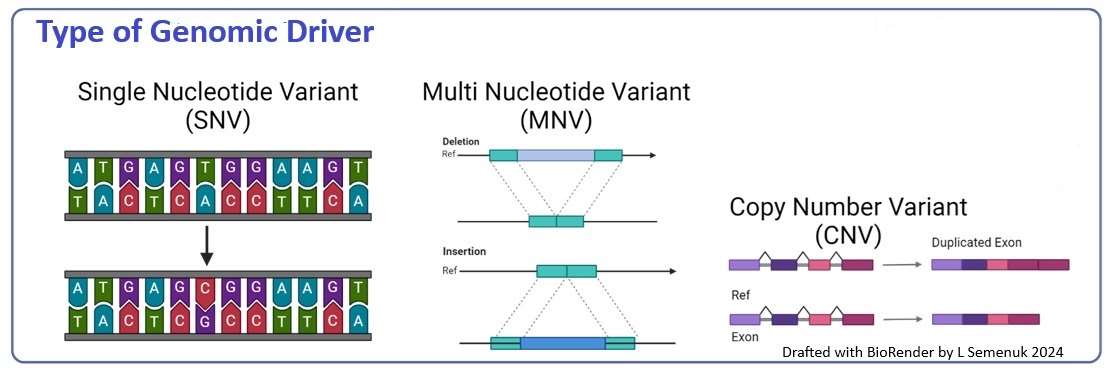
Figure 1. Graphical representation of the SNV, MNV and CNV types of genomic driving events.
The laboratory diagnosis of myeloid and lymphoid neoplasms currently requires multiple assays to assess for these diverse genomic variants, with implications on workload, cost, and integration of results (Figure 2).
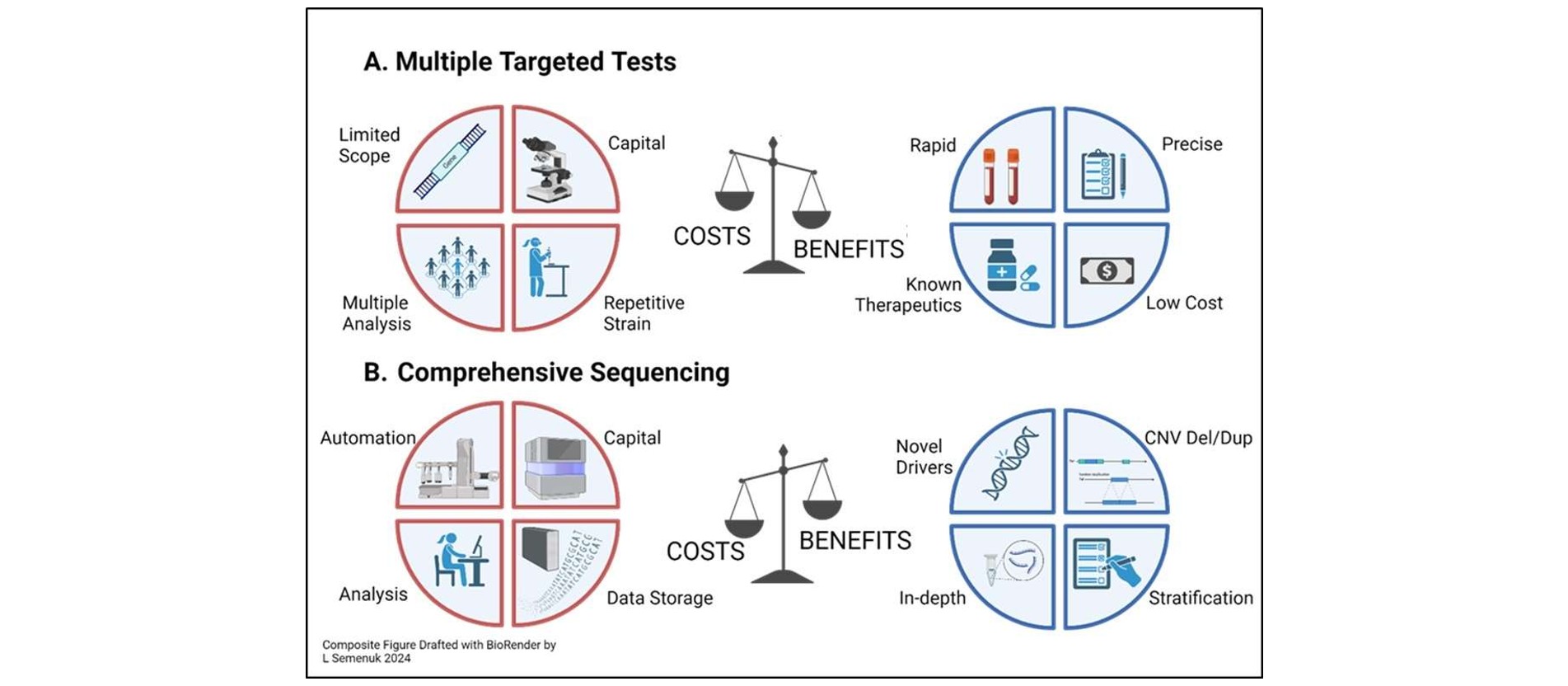
Figure 2. Cost-Benefit differential between multiple clinical targeted tests (A) compared to a comprehensive sequencing approach (B).
To validate a comprehensive approach for the identification of multiple types of genomic drivers, from within a next-generation sequencing assay (Figure 3).
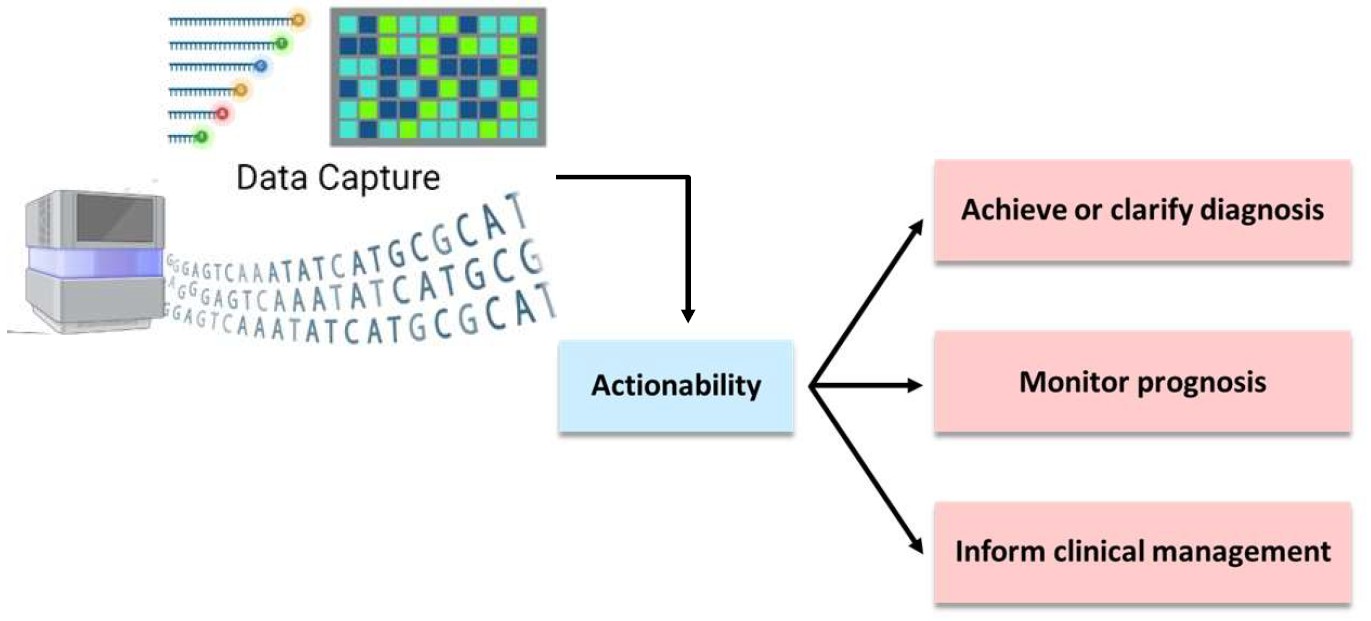
Figure 3. A comprehensive approach to identify actionable variants.
Peripheral blood and bone marrow specimens were obtained from a diverse range of clinical subtypes (Table 1).
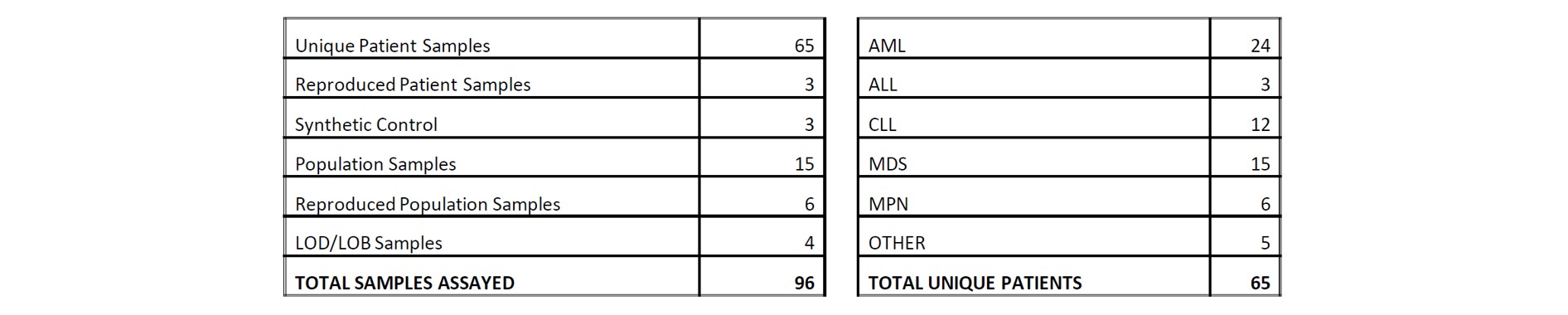
Table 1. Sample composition across validation cohort. Delineation of unique samples by reason for referral.
A commercial panel from Oxford Gene Technologies was customised to include additional clinically relevant haematological targets and backbone coverage for chromosomes of interest (Figure 4).
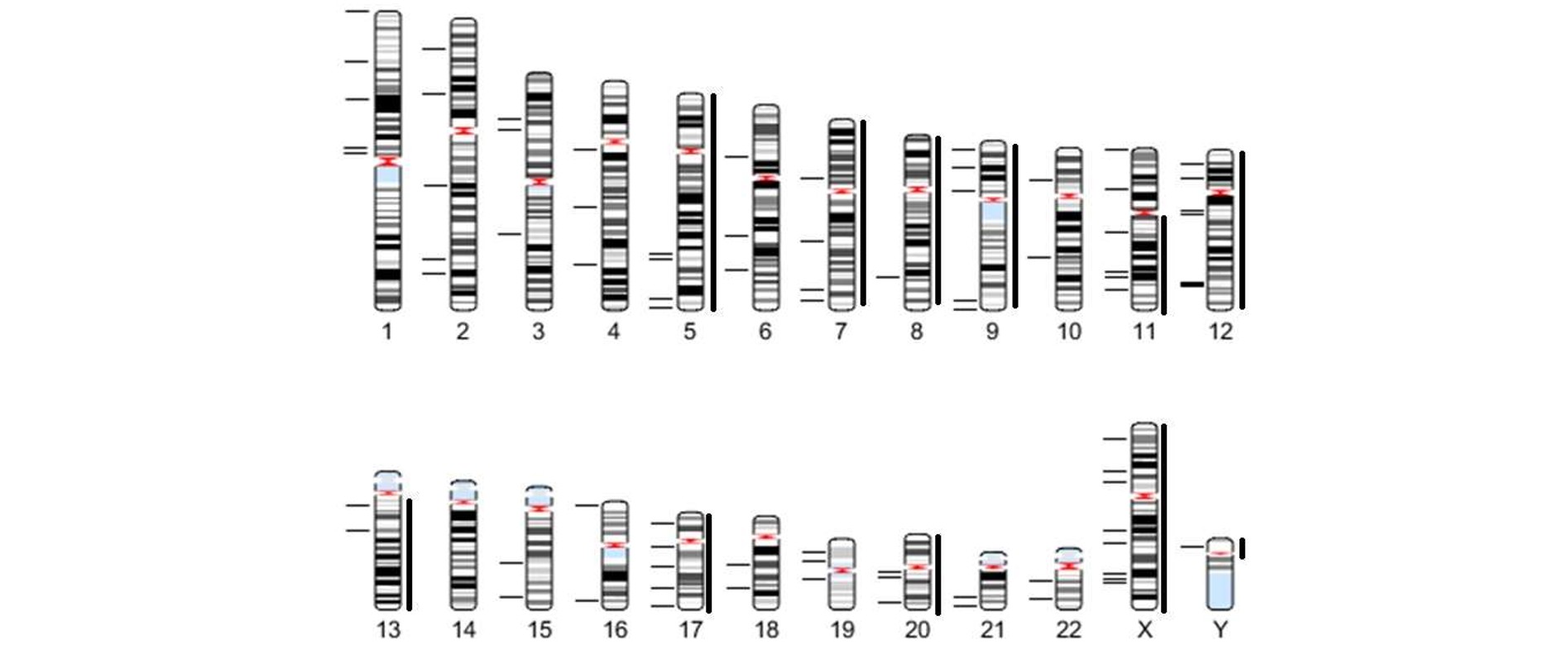
Figure 4. Idiogram with identified probe regions. Gene specific regions (horizontal line) and chromosomes with backbone padding (vertical line).
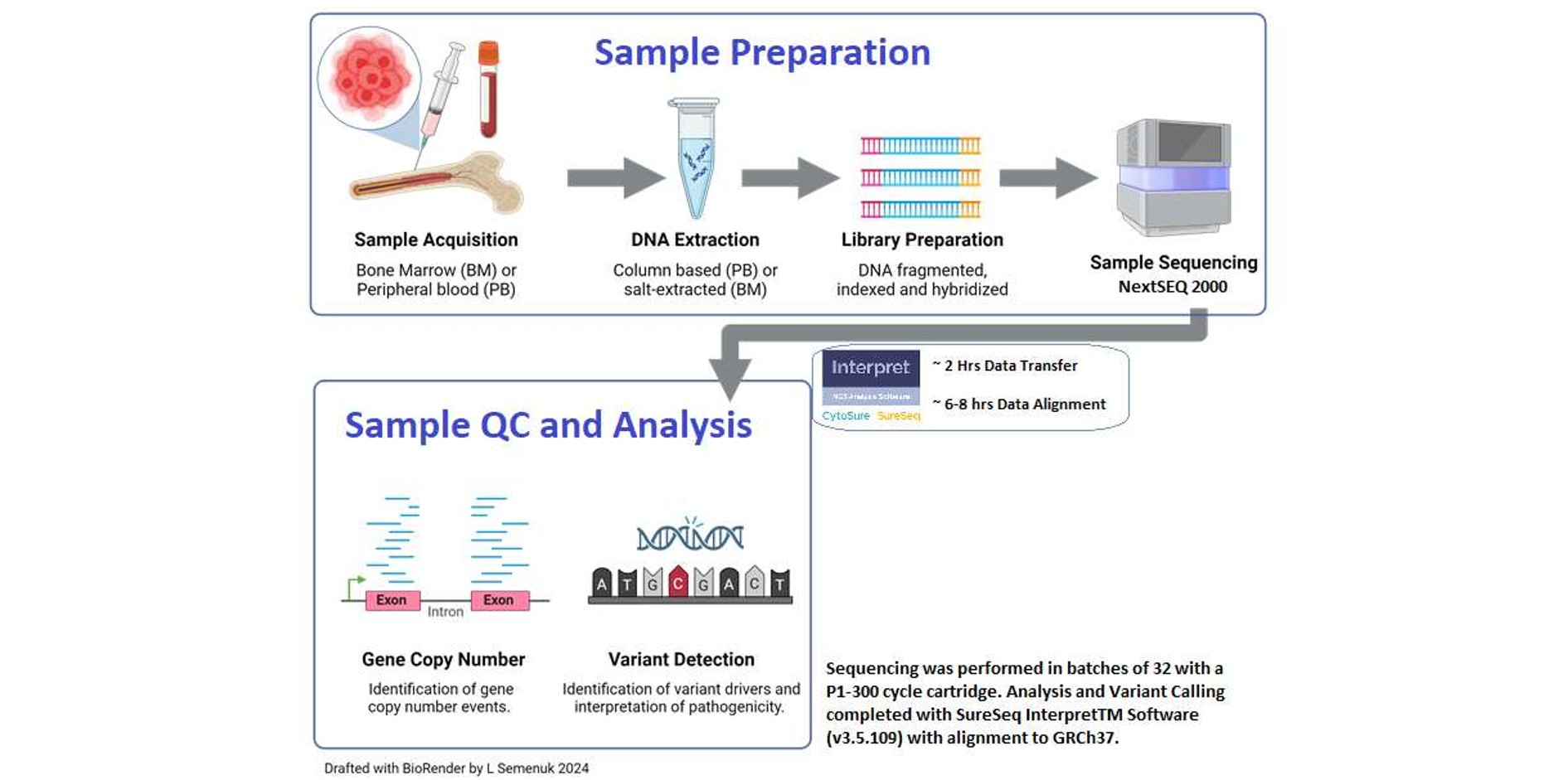
Figure 5. Methods employed from sample acquisition to sequencing analysis. Workflow takes 5 working days from batched sample extraction to report generation, using OGT NGS Universal prep, with NextSeq 2000 sequencing.2,3
Average total reads was 6.9M, with a mean read coverage of 1040 per specimen. An average mapped read percentage of 99.9% was obtained. Library failure rate due to poor sequencing coverage or a shifted insert size was found to be 5%.
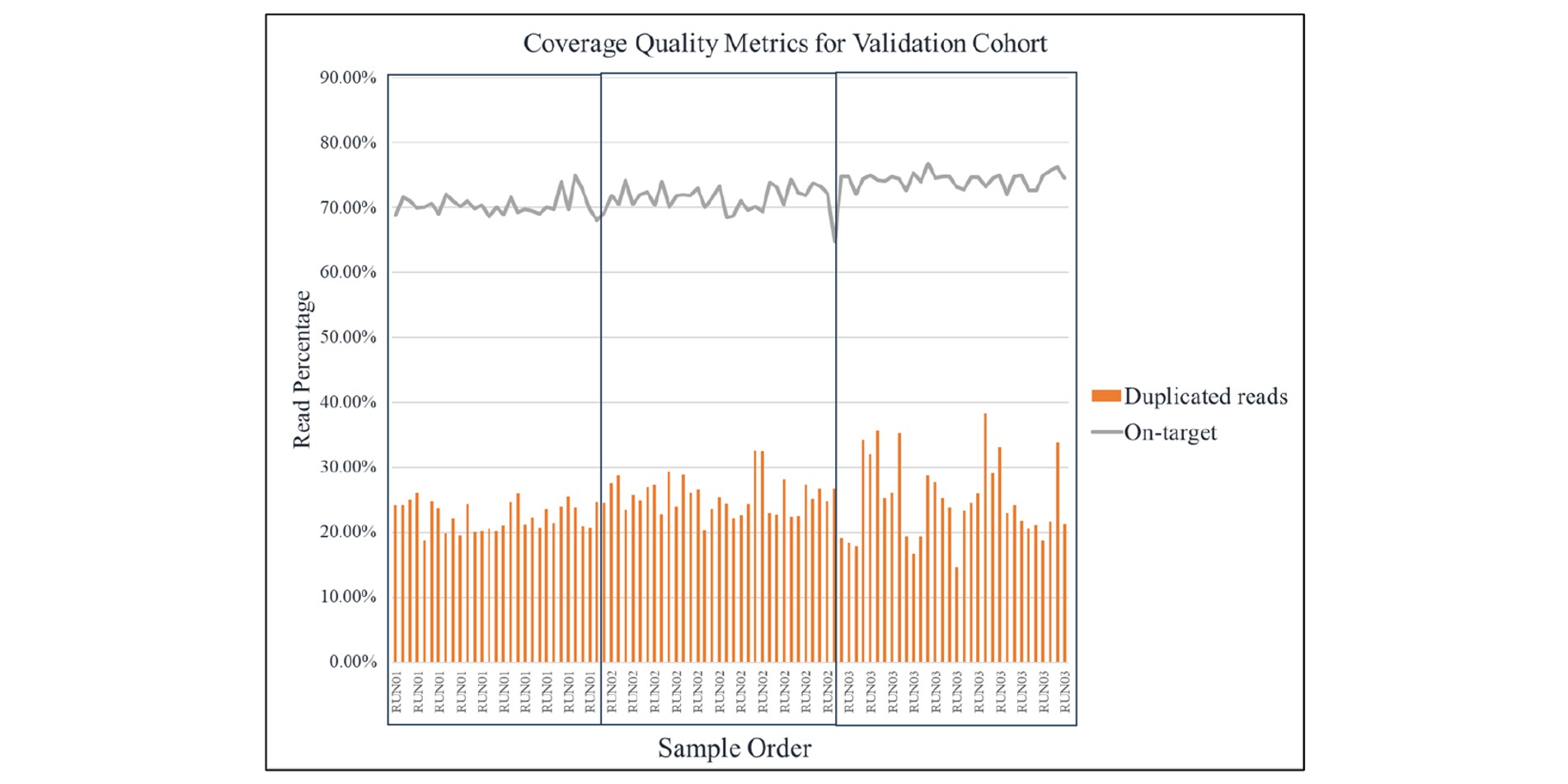
Figure 6. Coverage quality metrics for the validation cohort. Data displayed in the order the samples were processed, for the percentage of on-target reads and duplicated reads.
CNV detection with the first iteration of bioinformatic analysis demonstrated an analytical sensitivity and specificity at 84% and 94% respectively. False negative results were found for mosaic level CNV findings with a copy number clonality less than 50%, as compared to karyotype findings.
Subsequent iteration of the bioinformatic analysis, with a previously sequenced male negative control sample set, then allowed for an increased resolution of copy number clonality findings down to 30%, as compared to karyotype findings.
Analysis resulted in pathogenic detection of SNV/MNV variants for 78.5% of cases, with 36 cases presenting with multiple pathogenic variants (Figure 7). Analytical sensitivity and specificity for SNV/MNV detection was 98% and 100%, respectively.
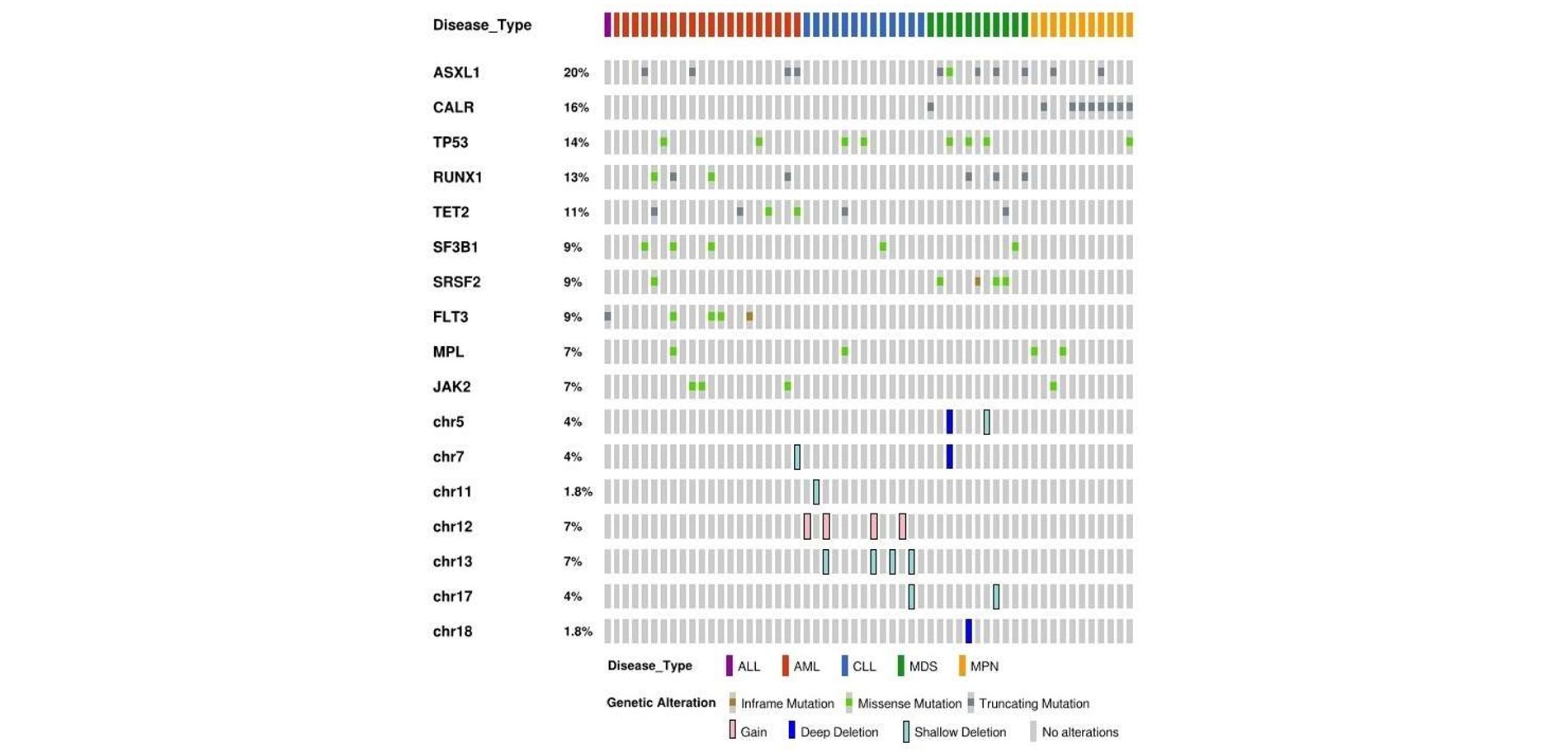
Figure 7. Oncoprint of the most frequent pathogenic variants within the validation cohort, by disease type and type of genetic alteration.4
A targeted, next-generation sequencing panel has the technical capability to detect a multitude of genomic variants within a comprehensive assay, providing diagnostic, prognostic and therapeutic value, with efficiency improvements and increased fiscal responsibility.
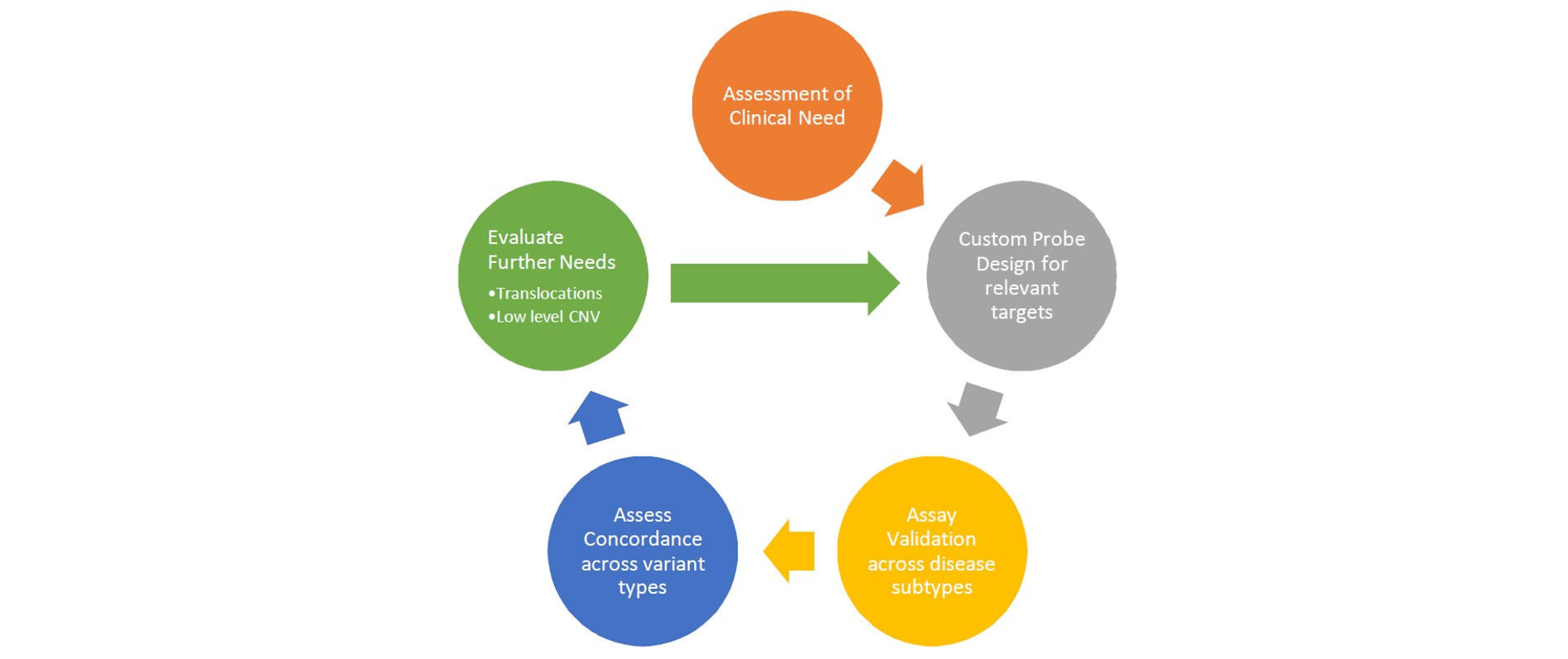
Figure 8. Clinical Assay Development Cycle. Assay design and validation is followed by an assessment of gaps or further directions for clinical need.
We acknowledge the contributions of the team within the molecular diagnostics lab at Kingston Health Sciences Centre, in addition to the support of management for the acquisition of new sequencing instrumentation, for this endeavor.
Thank you to the technical support and development team at Oxford Gene Technologies and the field application specialists at Illumina, for their continued assistance to ensure continued clinical support.
This presentation is intended for educational purposes only and does not replace independent professional judgment. Statements of fact and opinions expressed are those of the presenters individually and, unless expressly stated to the contrary, are not the opinion or position of the Oxford Gene Technology Group (OGT). OGT does not endorse or approve, and assumes no responsibility for, the content, accuracy or completeness of the information presented.
SureSeq™: For Research Use Only; Not for Use in Diagnostic Procedures.
Call +44 (0)1865 856800 Email contact@ogt.com
Send us a message and we will get back to you
 Visit USA site
 Visit Canada site